business
Chicago Retail Faces Rising Challenges and Headwinds in 2026
Shifting consumer habits, inflation, and rising rents are testing Chicago’s retail sector this year.
How we reported this
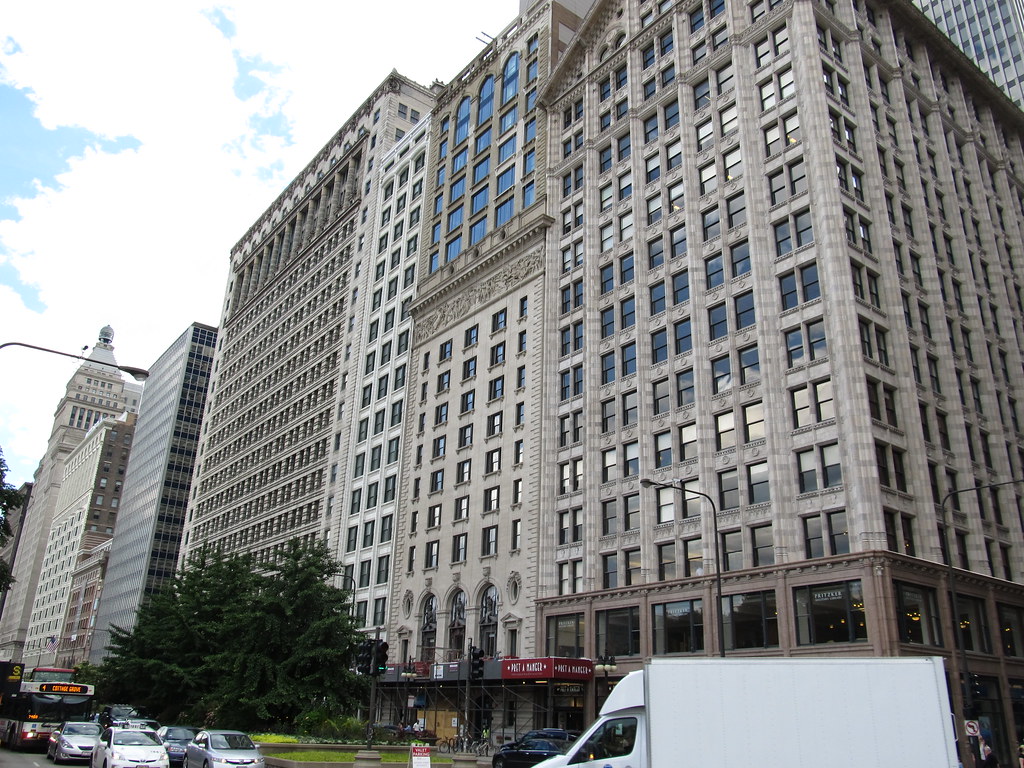
Chicago’s retail sector is grappling with significant headwinds in 2026, as rising operational costs and evolving consumer behaviors put pressure on businesses across the city. From Loop storefronts to neighborhood boutiques, retailers report slower foot traffic and higher expenses, challenging profitability and future growth.
This matters now because retail has long been a vital part of Chicago’s economy and urban fabric. With retail spaces in key commercial corridors like Michigan Avenue and Wicker Park historically driving both tourism and everyday commerce, disruptions here ripple through the city’s employment and real estate markets. Moreover, uncertainties in the broader U.S. and global economies have heightened challenges for retailers trying to plan ahead for inventory, staffing, and expansion.
Local Struggles in Historic Neighborhoods
In Chicago’s famed Magnificent Mile on North Michigan Avenue, several luxury brands and chain stores have recently closed or downsized, citing rising rents and declining shopper turnout. The Chicago Loop Alliance, which promotes business in the downtown core, has noted that retail vacancy rates have edged up to 12% this year, the highest since 2020’s pandemic wave.
Meanwhile, in Wicker Park, a neighborhood known for its independent shops and vibrant local economy, rising commercial rents have forced some long-time tenants to shutter. The 2000 block of West Division Street, a hotspot for fashion and home goods, has seen a 15% increase in asking rents compared to 2025 levels, according to local real estate consultants. This pricing pressure is squeezing smaller retailers who rely on steady local foot traffic rather than tourists.
Data Points Paint a Difficult Picture
Chicago’s overall retail sales growth has slowed significantly in the first half of 2026. The Illinois Retail Merchants Association reported that sales increased by only 1.3% year-over-year in Q1 2026, a notable drop from the 4.5% gains seen in 2025. Inflation remains a major factor, with products commonly sold in stores like Target, IKEA in Aurora, and independent groceries on Archer Avenue experiencing cost increases averaging 6% compared to last year.
In addition, wage pressures and labor shortages continue to impact retail operations. The City of Chicago’s Economic Development Department highlighted that the average hourly wage for retail workers has risen 7% since mid-2025, pushing some businesses to pass costs onto consumers or limit store hours. Simultaneously, rising energy costs in the summer months have increased utility bills for retail locations by approximately 10% compared to 2025.
Retailers also face competition from online channels, with a 5% increase in e-commerce market share noted locally, making foot traffic harder to sustain.
Looking ahead, retail operators in Chicago may need to adapt by integrating more experiential elements-such as pop-up events or in-store services-to attract customers. Partnerships with local organizations like the Chicago Urban Retail Initiative, which recently launched a grant program to help small shops upgrade storefronts, could provide critical support.
Consumers might also notice more mixed retail and dining experiences as landlords seek to diversify tenants to keep spaces vibrant and profitable. For retail workers, retraining programs funded by the city aim to ease workforce challenges by equipping employees with digital skills relevant to omnichannel sales environments.
Chicago’s retail landscape is in the midst of adjustment. While challenges abound, those businesses and neighborhoods that can innovate and leverage local support may well chart a path through a tough 2026.