finance
Chicago Retailers Launch New Stores, Capitalize on Shifting Consumer Habits
The city's retail sector reveals fresh openings and growth areas as businesses adjust to evolving shopper demands and urban dynamics.
How we reported this
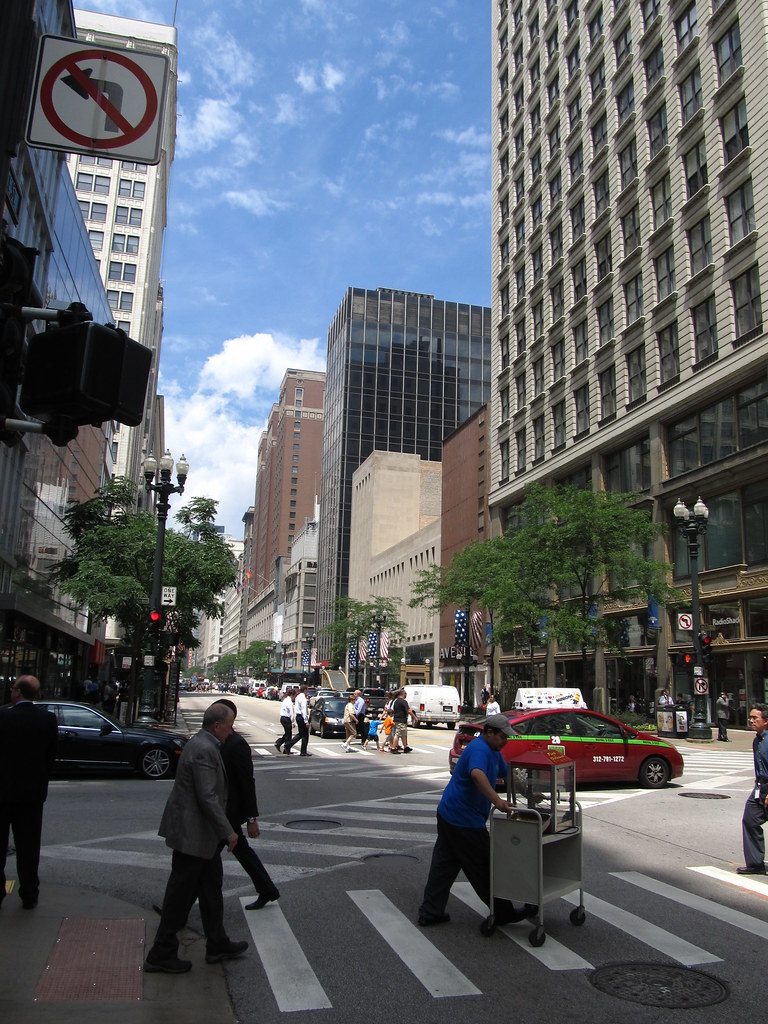
Chicago's retail scene is witnessing a gradual resurgence, with new shops and concepts beginning to fill vacant storefronts across several neighborhoods. This uptick reflects broader trends in consumer behavior reshaping the urban business landscape.
Shifts Driving Chicago's Retail Revival
Traditionally a stronghold for retail in the Midwest, Chicago experienced significant disruptions in recent years due to economic uncertainty and changing shopping habits. However, many local entrepreneurs and established brands are capitalizing on emerging opportunities by tailoring offerings to the city’s diverse, experience-focused clientele.
This momentum comes amidst a national backdrop of cautious optimism in retail, with brands diversifying beyond brick-and-mortar to include service elements, local collaborations, and curated assortments that resonate with community tastes and priorities. Chicago’s dense urban fabric and cultural distinctiveness give it fertile ground for these adaptive strategies.
Neighborhoods and Businesses Benefiting from Retail Dynamics
Areas like Wicker Park, Logan Square, and the South Loop have seen positive activity, with a variety of new stores-from boutique apparel shops to artisan food purveyors-opening or announcing plans. Local programs supporting small businesses and equitable development initiatives have been instrumental, enabling more entrepreneurs to launch with reduced barriers.
While downtown Chicago continues to anchor major retail experiences, some smaller, neighborhood-focused retailers report that providing personalized service and community engagement is key to attracting repeat customers in the current environment. This trend highlights a growing preference for local authenticity as a competitive edge.
Although exact sales figures and lease rates have not been publicly disclosed, business owners convey qualitative evidence of more robust pedestrian traffic and higher engagement rates on digital platforms linked to their physical outlets. Such signs suggest consumers are eager for in-person experiences that complement their online habits.
Looking ahead, industry observers recommend that retailers maintain flexibility in their formats and focus on integrating technology with traditional service. For Chicago retailers, embracing neighborhood distinctiveness and fostering community connections appear vital to sustained success. As the city continues to navigate this evolving landscape, those adapting purposefully stand to gain a foothold in what promises to be an increasingly lively retail environment.
This article is general information only and is not personal financial or investment advice. Consider your own circumstances and seek licensed professional advice before making financial decisions.