business
Understanding Chicago’s New Business Openings Through Economic Indicators and Investment Flows
A surge in new enterprises on the Near West Side highlights shifting investment patterns and economic signals for the city’s post-pandemic recovery.
How we reported this
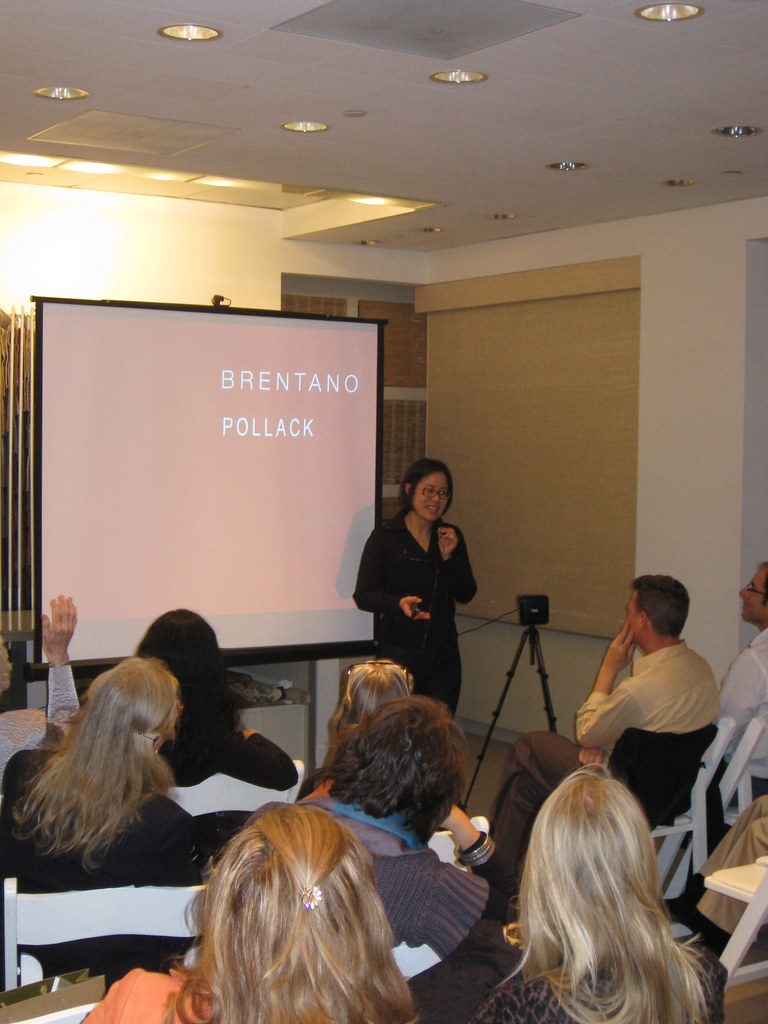
Chicago has seen a notable uptick in new business openings this quarter, with over 150 businesses registering in the Near West Side alone in the past three months, according to data from the Chicago Department of Business Affairs and Consumer Protection (BACP). This surge signals changing economic dynamics that go beyond traditional growth measures.
Why this matters now is tied to how Chicago’s economy is repositioning itself after recent national and international shocks. From supply chain disruptions to shifting consumer behaviors and interest rate adjustments by the Federal Reserve, business openings and investment flows in Chicago offer a more nuanced picture of economic health than headline unemployment figures or GDP growth alone.
Local Business Landscape Rebalancing with New Investment
The Near West Side, home to the University of Illinois Chicago campus and vibrant hubs like Union Park, has been a magnet for startups and retail expansions. One example is the opening of BrightLeaf Cafe’s fourth location on Ogden Avenue in West Loop, an area known for attracting technology firms and creative enterprises. Meanwhile, the Fulton Market District continues to draw high-end culinary ventures funded by local investors via the Chicago Community Trust’s Small Business Accelerator program.
These developments are supported by strategic urban initiatives, such as the Chicago Neighborhood Opportunity Fund, which has allocated $22 million since 2024 to support commercial growth in historically underinvested areas including parts of the Near West Side and Pilsen. Additionally, private equity firms outside the city, including Chicago-based Growth Catalyst Partners, have reported increasing deal activity in Chicago’s small- to medium-sized business segments, suggesting confidence in the region’s long-term potential.
Data Points Reflecting Shifts in Investment and Business Activity
Investment flows corroborate this expanding entrepreneurial momentum. In the first half of 2026, Chicago recorded $820 million in venture capital inflows, a 28% increase compared to the same period in 2025, according to the Illinois Technology Association’s recent report. At the same time, commercial real estate vacancy rates in the Near West Side have dropped from 12.4% in January 2026 to 9.1% as of June 2026, signaling robust demand for office and retail spaces.
The cost of leasing new retail space there averages $42 per square foot, up 7% from last year, underscoring growing investor confidence and market competition. Springfield-based tax incentives extended through the Illinois Department of Commerce and Economic Opportunity have further stimulated investment, particularly in tech and food service sectors, which dominate new startups in Chicago’s evolving economy.
For local entrepreneurs and investors, these trends mean that while opportunities are opening up, the environment is becoming increasingly competitive and capital-sensitive. Prospective business owners should closely monitor neighborhood development plans and consider partnerships through programs like the Chicagoland Chamber of Commerce's mentorship network to navigate financing complexities.
In sum, Chicago’s surge in business openings reflects a complex interplay of economic indicators and investment flows that shed light on the city's repositioning. Understanding these patterns helps stakeholders anticipate opportunities and risks as the city continues to recover and grow.