business
Commercial Development Boom is Reshaping Chicago’s Job and Talent Market
Rapid growth in office and mixed-use projects across Chicago is shifting employment dynamics and attracting a new workforce demographic.
How we reported this
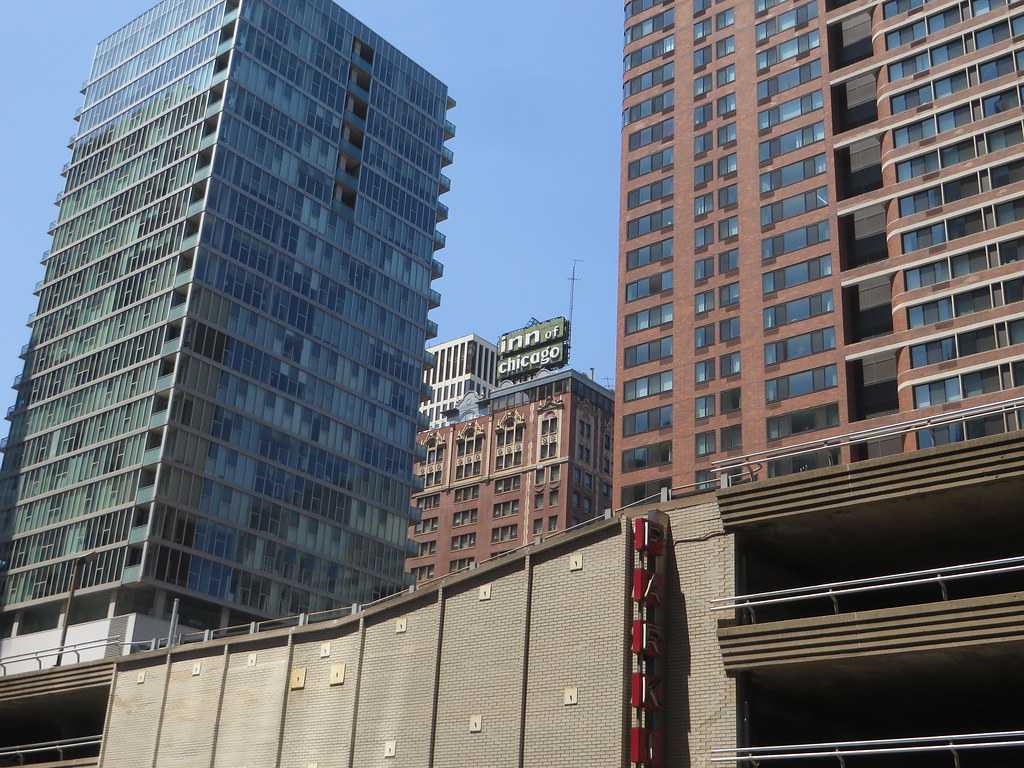
Chicago's commercial real estate market is undergoing a significant transformation as multiple high-profile developments reshape the city’s job landscape and talent attraction strategies. Projects such as the 150 North Riverside Campus and the Lincoln Yards mixed-use development are driving new employment opportunities and altering where Chicagoans work and live.
Why the Commercial Boom Matters Now
The surge in commercial development comes at a crucial time when Chicago’s economy is recovering from pandemic-related disruptions and grappling with a competitive national labor market. As companies seek modern office spaces and amenity-rich environments, these projects not only create construction jobs but also influence long-term employment trends and talent retention in the city. The shift highlights Chicago's strategic position as a Midwest hub for finance, tech, and professional services, demanding spaces that can attract younger professionals and remote workers returning to in-person roles.
Local Developments and Their Impact
The 150 North Riverside Campus, a 54-story office tower along the Chicago River, recently welcomed several major tenants, including a regional headquarters for a leading financial services firm. This prime River West location has seen a wave of job creation, with over 4,000 new office jobs expected by the end of 2027, according to building management. Meanwhile, Lincoln Yards, a $7 billion mixed-use project located between the North Branch of the Chicago River and Clybourn Avenue, mixes office, retail, residential, and entertainment spaces. It anticipates bringing 25,000 jobs to the area, spanning technology companies, creative industries, and hospitality sectors.
Programs like the City of Chicago’s "Invest South/West," aimed at revitalizing underserved communities, have connected these commercial expansions with local workforce development initiatives. The collaboration with neighborhood colleges such as Malcolm X College provides tailored job training to meet new employer demands generated by these developments.
Data Points Reflecting Change
According to a recent report from the Chicago Department of Planning and Development, commercial leasing rates downtown have risen by 12% year-over-year, reaching approximately $38 per square foot for Class A office space. This price uptick reflects not just demand but also significant investments in building amenities favored by younger employees, such as green spaces, fitness centers, and robust digital infrastructure.
Labor market data from the Illinois Department of Employment Security show a noticeable increase in wages for workers employed in these newly developed centers, with average salaries in professional services climbing by 7% since early 2025. The availability of transit options-like improved access to the Ogilvie Transportation Center and the expansion of Divvy bike-sharing hubs-is also a factor enhancing worker mobility and attracting talent to these corridors.
Furthermore, surveys conducted by the Chicagoland Chamber of Commerce indicate that 60% of companies relocating or expanding into Chicago space cite access to a qualified, diverse talent pool as a primary reason, linked directly to proximity to these commercial hubs.
As commercial spaces become increasingly integrated with residential and lifestyle amenities, the lines blur between traditional work zones and urban living, changing how Chicagoans approach career decisions and daily commutes.
Looking Ahead for Chicago’s Workforce
Industry experts suggest that Chicago’s commercial development trend will continue well into the late 2020s, emphasizing sustainability and tech-enabled work environments. Job seekers should track openings not just in the Loop but also in emerging districts like Fulton Market, which blend office spaces with revitalized warehouse settings.
For employers, aligning recruitment with local training programs and investing in employee-centric workspace design may prove crucial to capturing and retaining top talent. Job seekers can benefit from tapping into partnerships between commercial developers and workforce agencies, such as Chicago’s "One Summer Chicago" initiative which promotes internships in newly developed commercial zones.
With millions of square feet of office space poised to come online by 2030, Chicago’s labor market faces a pivotal decade where adaptability to changing commercial landscapes will be critical in defining the city's economic resilience and competitive edge.