culture
Chicago’s Museum Landscape: What Visitors Should Know and the Must-See Highlights
As summer tourism peaks, Chicago's cultural institutions remain a vital anchor for the city's identity and global reputation.
2 min read
Updated 1 h ago
culture
As summer tourism peaks, Chicago's cultural institutions remain a vital anchor for the city's identity and global reputation.
2 min read
Updated 1 h ago
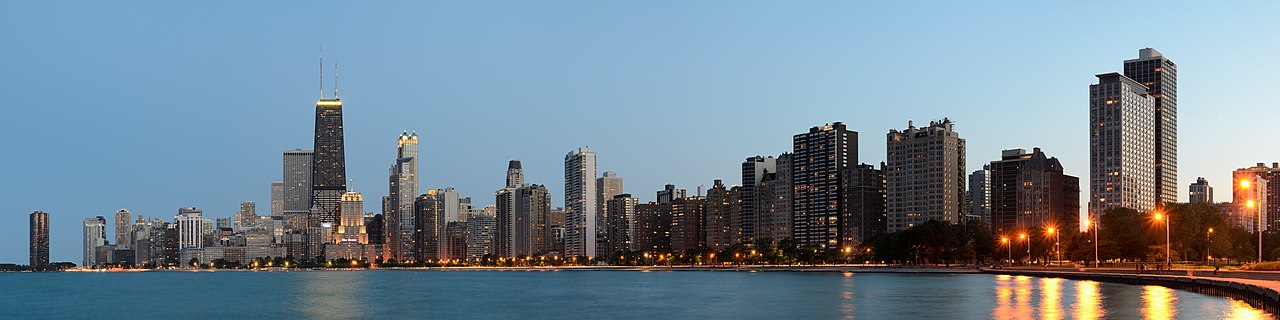
Chicago remains a primary destination for art and history enthusiasts this July, with its concentration of world-class cultural institutions drawing large crowds along the Lake Michigan shoreline and throughout the Loop. From the sprawling collections of the Art Institute of Chicago to the specialized scientific exhibits at the Field Museum, the city's museum sector continues to serve as both a record of human achievement and a cornerstone of the regional economy.
For those navigating the city’s cultural offerings, the Art Institute of Chicago, located at 111 South Michigan Avenue, remains the most prominent landmark. Visitors often prioritize the Impressionist wing, which houses an extensive collection of works by Monet, Renoir, and Caillebotte. A short walk north, the Chicago Cultural Center on Randolph Street offers a different perspective, often cited for its stunning Tiffany glass dome and rotating exhibitions that highlight local contemporary artists.
Understanding the layout of the Museum Campus is essential for maximizing time. Situated near the lakefront, this area hosts the Field Museum, the Shedd Aquarium, and the Adler Planetarium. These institutions are grouped within a short walking distance of one another, allowing for efficient transit between diverse subjects ranging from paleontology to marine biology.
Museum accessibility in Chicago is heavily influenced by seasonal programming and ticket availability. According to the Art Institute’s current visitor guidelines, general admission tickets for Illinois residents are priced at $25, while non-resident adult admission is $32. The institution frequently adjusts operating hours to accommodate peak summer attendance, so prospective guests are advised to check the official digital portals for daily updates on entry requirements.
The impact of these institutions extends beyond their individual walls, as they coordinate with the City of Chicago and local tourism boards to manage the influx of summer travelers. As the city enters the second half of the year, institutions are moving toward updated rotations of special exhibits that align with national cultural shifts. For the best experience, visitors should plan for mid-week visits to avoid the highest density of crowds and ensure they have pre-booked any special exhibition access, which often sells out weeks in advance.

About this article
Published by The Daily Chicago
Spread the word
Daily brief
Free, in your inbox before 7am. Weekdays.