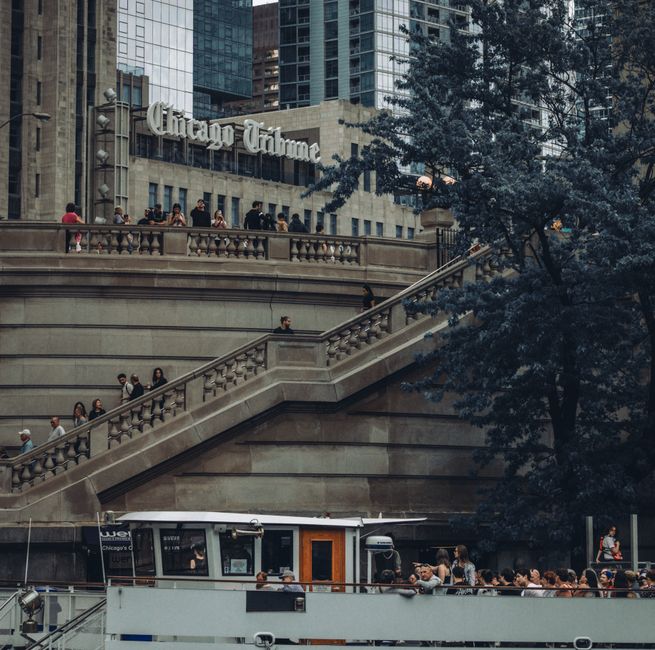
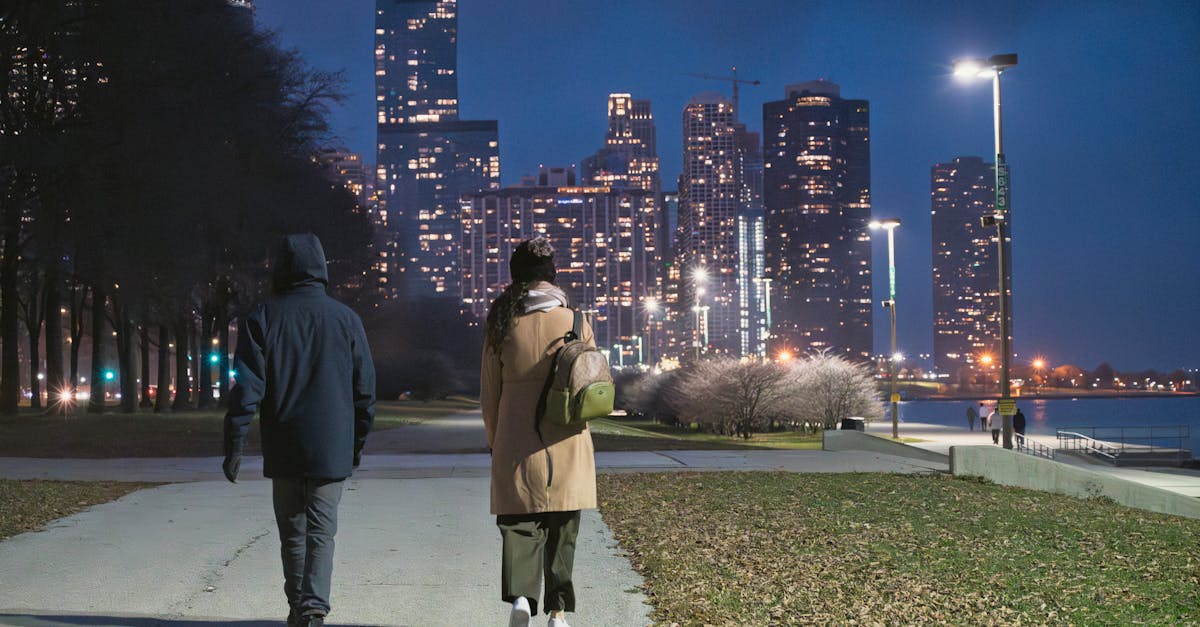
July in Chicago means humidity that sticks to your skin and a food scene that doesn't apologize for it. Forget waiting for fall. The city's best chefs and bartenders are working right now, taking advantage of ingredients at their peak and outdoor dining that, despite the sweat, actually feels good when you're holding a cold drink.
The timing matters. High heat across Europe has disrupted supply chains for specialty produce and imported goods, making local sourcing more valuable than ever. Chicago's restaurant community has shifted hard toward what grows here, and the result is sharper flavors, shorter menus, and places worth revisiting weekly instead of annually.
Where the Best Produce Shows Up
Start at the Green City Market in Lincoln Park, which operates every Wednesday and Saturday through October. The market sits at 1817 North Stockton Drive, blocks from the zoo, and right now vendors are moving through berries, stone fruits, and early-season squash in real volume. Tuesday evening, the organization launched extended summer hours through August 31st, staying open until 7 p.m. to catch the post-work crowd.
Head south to the Logan Square Farmers Market, which runs Sundays at 2500 North Kedzie Avenue. The neighborhood has transformed into one of the city's most reliable food destinations over the past decade, and the market reflects that. Expect heirloom tomato vendors selling to both home cooks and the restaurant chefs who've set up shops here—RPM Italian, Publican Quality Meats, and others buy directly from the same stalls residents do.
These markets matter because local sourcing cuts real dollars from your grocery bill. Seasonal produce costs 15 to 30 percent less than off-season imports, according to the USDA's most recent regional price data. A pound of locally grown heirloom tomatoes at Lincoln Park runs about $3 to $4 in July. In January, you're paying nearly double for anything with actual flavor.
Drinks Worth Leaving Your AC For
Rooftop bars across River North and the West Loop are packed because they're functional right now. The Signature Lounge at 875 North Michigan Avenue stays open until 11 p.m. on Fridays and Saturdays, and the view of Lake Michigan from 66 floors up actually cools your head down when you step outside. A cocktail runs $18 to $22, but you're buying the vantage point as much as the drink.
Down on Fulton Market, smaller operations like Lacuna Lofts have turned their warehouse into a seasonal beer garden, with tables scattered across the old industrial space and food trucks rotating through nightly. Entry is free, and a local beer costs $7. The Market Building itself, a converted produce warehouse at 100 North Larrabee Street, has become the neighborhood's social hub—restaurants lease stalls inside, and you can eat three courses from different vendors without leaving the building.
The bar scene has fragmented hard. Craft cocktail spots that used to dominate are losing ground to natural wine bars and beer-focused places. Chicago has 47 breweries operating within city limits now, up from 19 in 2015. Breweries like Off Color Brewing in Pilsen and Hopleaf Bar in Andersonville have staked their reputations on rotating taps and educated staff, not Instagram appeal.
Shopping this month means catching the tail end of summer sales and the arrival of fall preview stock. Michigan Avenue's traditional retailers are running discounts on spring merchandise through mid-July. Boutiques in Wicker Park and Bucktown on Division Street and Milwaukee Avenue respectively are mixing vintage finds with new designers—prices are gentler than downtown, and the foot traffic means new inventory moves faster.
Pick your neighborhood and commit to it for a full day. Start with the market Saturday morning, lunch from a vendor you've never tried, drinks somewhere with outdoor seating, dinner at a place you've heard about but haven't booked yet. The heat makes people move slowly, which means you actually notice things. July is when Chicago restaurants run their hardest because they know August will be slower. Exploit that.