lifestyle
Chicago Mental Health Leaders Transform Care Across Multiple Communities
From Logan Square to Hyde Park, individuals and organizations come together to transform mental health care in Chicago.
How we reported this
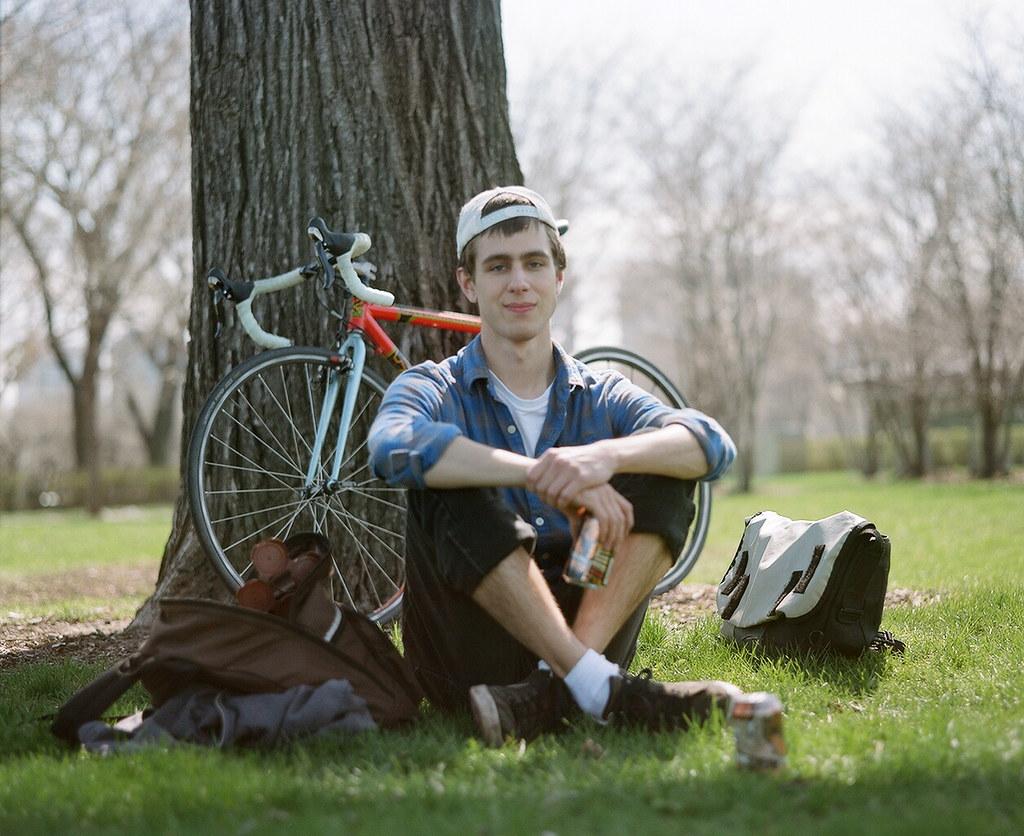
In Chicago, mental health resources reflect the city's diversity, resilience, and spirit-embodied in the stories of those who seek help and those who offer it every day. At the Heartland Alliance on West Cermak Road and Thresholds on North Paulina Street, the faces behind care reveal a community determined to redefine what support looks like for Chicagoans.
Where People Shape Care
Chicago’s mental health landscape has evolved amid growing awareness. Recent surveys highlight one in five adults in Cook County experiences some form of mental illness annually. This reality drove local organizations to deepen connections with their communities.
At Heartland Alliance, a 30-year-old nonprofit based in the Near West Side, counselors provide services tailored to the city’s varied population, including immigrant and refugee groups. The organization hosts peer support groups where participants share experiences, overcoming isolation common among mental health recipients.
Thresholds, headquartered near Wicker Park, offers residential and outpatient services that focus on recovery journeys. Their programs actively involve clients, emphasizing empowerment rather than just symptom management. Staff members often note that clients’ narratives of struggle and triumph inspire new approaches within the agency.
Numbers Illustrate the Need
Statistics from the Chicago Department of Public Health indicate that mental health-related emergency room visits rose 12% over the past two years, underscoring an urgent demand for accessible services. Yet, wait times can stretch several weeks, especially in public clinics, highlighting resource gaps.
Costs also present barriers; while some Heartland Alliance programs operate on a sliding scale, privately funded counseling sessions average $120 per hour in Chicago neighborhoods like Lincoln Park and Lakeview, making affordability an ongoing challenge.
Despite hurdles, major investments through the city’s 2025 Mental Health Action Plan include a $5 million grant allocated to expand crisis intervention teams in South and West Side neighborhoods. These efforts prioritize community involvement and culturally sensitive approaches.
Meanwhile, Chicagoans increasingly turn to innovative programs such as The Night Ministry, which offers mental health outreach alongside its services for homeless populations. Their work in areas like Uptown and Rogers Park represents a crucial frontline in connecting vulnerable individuals to care.
Moving Forward: Empowerment and Access
The stories behind Chicago’s mental health efforts remind us that progress hinges on human connection. Families, advocates, therapists, and volunteers share a common goal: to dismantle stigma and create a city where healing is possible for all.
For those seeking support, resources range from walk-in services at Mount Sinai Behavioral Health on West Harrison Street to hotline numbers like the Chicago Crisis Line (888-863-9314), available 24/7. Community centers across neighborhoods such as Bronzeville and Pilsen now offer workshops focused on mental wellness and coping strategies.
As Chicago expands accessibility and listens to its residents’ voices, the evolving faces of mental health care paint a hopeful picture-a city where no one faces their challenges alone.