lifestyle
Chicago Groups Build Adult Mentorship as Youth Report Support Gaps
Local groups focus on building connections where young people report limited adult support in personal matters.
Listen in English · 2 min
How we reported this
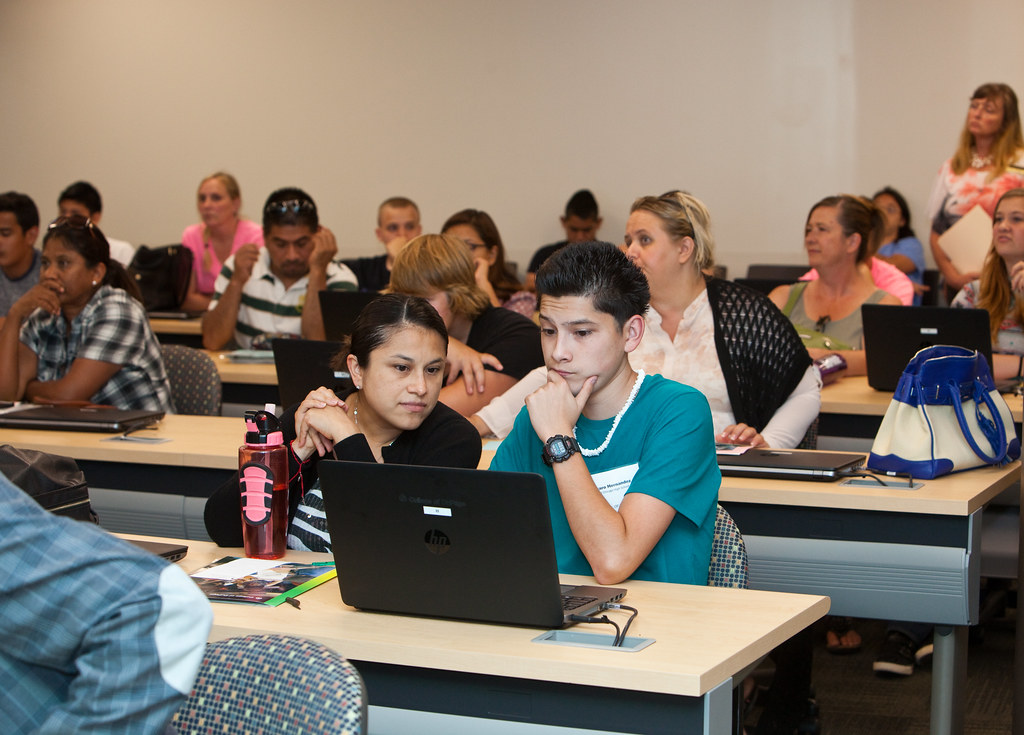
Only 10 percent of Chicago youth discuss their relationships with parents or caregivers, while 36 percent turn to friends and 39 percent believe their parents know little or nothing about those relationships. These patterns emerge against a backdrop of widespread social isolation that the World Health Organization links to serious health and community impacts.
Youth Experiences with Adult Support
More than 50 percent of surveyed Chicago youth ages 11 to 18 said an adult had not taken them seriously in the past year. Nearly one-third reported being ignored or yelled at when they sought support. Such experiences highlight gaps in everyday interactions that shape how young residents navigate personal connections.
Programs Building Peer and Mentor Links
The Carole Robertson Center emphasizes social-emotional learning by fostering relationships among peers, mentors, and teachers. This approach aims to lessen the effects of trauma through sustained daily interactions rather than isolated interventions. North of Howard Together, formed in 2021, brings together local organizations to improve resource access and strengthen ties north of Howard Avenue. The University of Chicago established its Council on UChicago/Community Relations to review ties with South Side neighborhoods and develop cooperative partnerships.
Networks Supporting Neighborhood Capacity
Community-based organizations across nine Chicago neighborhoods maintain broader partnership networks that help build local capacity for change. These efforts rely on consistent collaboration among residents, businesses, and institutions to address isolation without relying on single events or temporary fixes.
Residents can connect with existing programs through city calendars maintained by the Chicago Department of Public Health and the Department of Cultural Affairs and Special Events, which list ongoing activities at parks, libraries, and community centers. Checking those listings offers one route to locate relationship-focused gatherings already operating in neighborhoods.