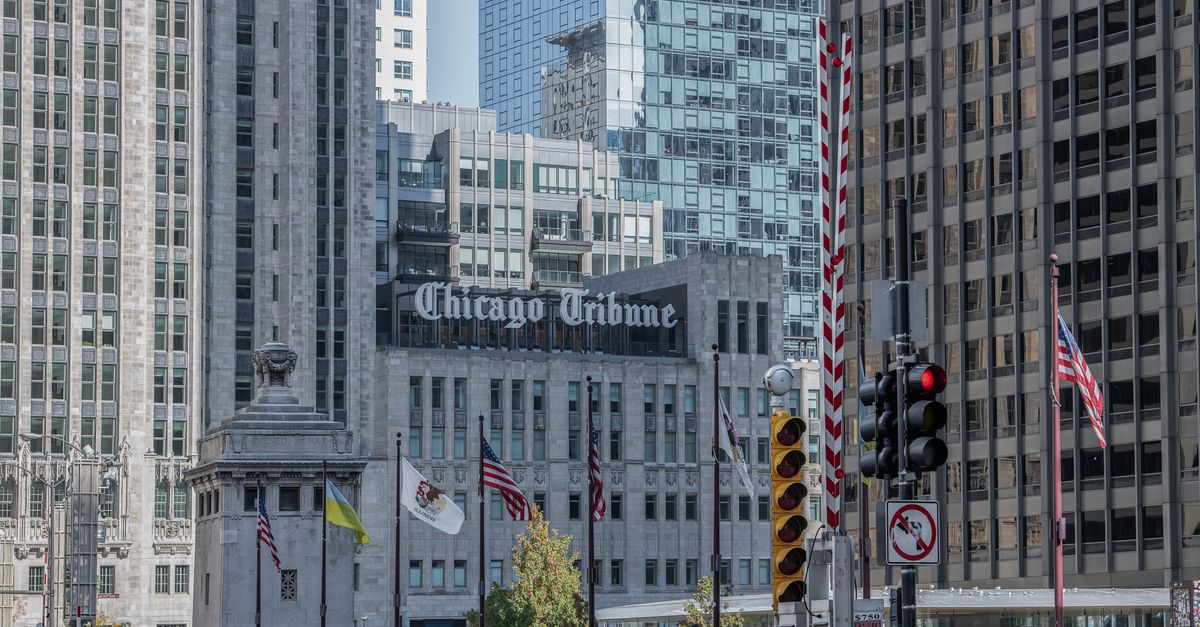
Chicago heads into the Fourth of July holiday weekend carrying more than fireworks. A cluster of unresolved political and infrastructure decisions—some months in the making, others newly urgent—will land on the desks of Mayor Brandon Johnson and the City Council in the weeks immediately after the holiday recess ends. The outcomes will touch everything from property tax bills to whether the Red Line extension to 130th Street breaks ground before the year is out.
The urgency is real. The city's fiscal year 2027 budget process formally kicks off in September, but the Johnson administration has signaled it wants a framework document circulated by August 15—a compressed timeline that gives aldermen roughly six weeks to weigh in before the full Council reconvenes after Labor Day. That compresses the window for public comment and puts neighborhood advocacy groups on alert.
Transit, Taxes and the TIF Debate
The Chicago Transit Authority's capital program is the most immediate flashpoint. The agency is counting on a state infrastructure package—negotiations for which stalled in Springfield in May—to unlock roughly $1.5 billion in federal matching funds tied to the Federal Transit Administration's Capital Investment Grant program. Without a state commitment by September 30, the FTA has indicated the grant cycle resets, pushing the Red Line extension timeline back by at least two years. Communities along the proposed corridor, particularly Roseland and Pullman on the Far South Side, have been organizing through groups including the Metropolitan Planning Council and the Elevated Chicago coalition, pressing both City Hall and the Statehouse to move.
Separately, the City Council's Finance Committee is scheduled to hold hearings in mid-July on the future of Chicago's Tax Increment Financing districts, several of which are set to expire in 2027. The Loop TIF and the Kinzie Industrial Corridor TIF together hold an estimated $340 million in uncommitted reserves. Aldermen representing the 27th and 42nd Wards have publicly disagreed about whether those funds should be swept into the general fund to ease next year's budget gap—projected at somewhere between $600 million and $900 million depending on whose numbers you use—or preserved for targeted neighborhood investment.
What the Next 90 Days Actually Look Like
The Council's Budget Committee meets July 14 for its first post-recess session. That hearing will set the tone for how aggressively aldermen push back on the administration's spending framework. The city's Office of Budget and Management has already signaled that departmental cuts are on the table, though which departments remain unspecified pending the August document.
On the infrastructure side, the Chicago Department of Transportation is expected to release its updated five-year capital plan before July 31. The plan will include a revised timeline for the Ashland Avenue bus rapid transit corridor—a project that has been deferred repeatedly since 2016—and an assessment of bridge rehabilitation needs along the Chicago River's North Branch. The Cortland Street Bridge, closed to vehicle traffic since 2023, is among the structures flagged for a funding decision this cycle.
For residents tracking neighborhood development, the Woodlawn community on the South Side faces a decision point of its own. The city's Woodlawn Housing Preservation ordinance, passed in 2020 to manage displacement pressure near the Obama Presidential Center on Stony Island Avenue, requires a formal review this fall. Housing advocates at the Lugenia Burns Hope Center have been compiling displacement data ahead of that review, and their findings are expected to inform whether the ordinance's affordability requirements are extended or modified.
The practical upshot: anyone with a stake in how Chicago spends its money, builds its transit, or protects its housing stock has a narrow window to engage. Public comment periods, aldermanic town halls, and Budget Committee testimony are the levers available. The July 14 Finance Committee hearing is open to the public and will be streamed on the City Council's official channel. The August 15 framework deadline is the next hard stop after that—and by then, the shape of Chicago's next year will largely be set.
This article was compiled by AI and screened before publishing. See our editorial standards.