Chicago's municipal departments are sitting on a backlog of duplicate digital images embedded in thousands of planning documents, permit applications, and community development filings — and a series of decisions made this summer will determine whether the problem shrinks or compounds ahead of a major city infrastructure review scheduled for the fourth quarter of 2026.
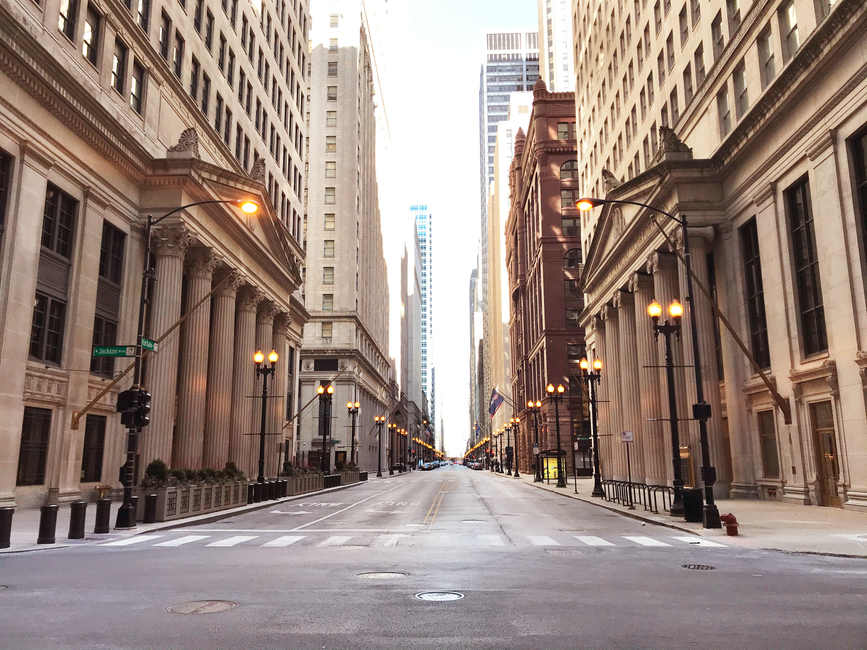
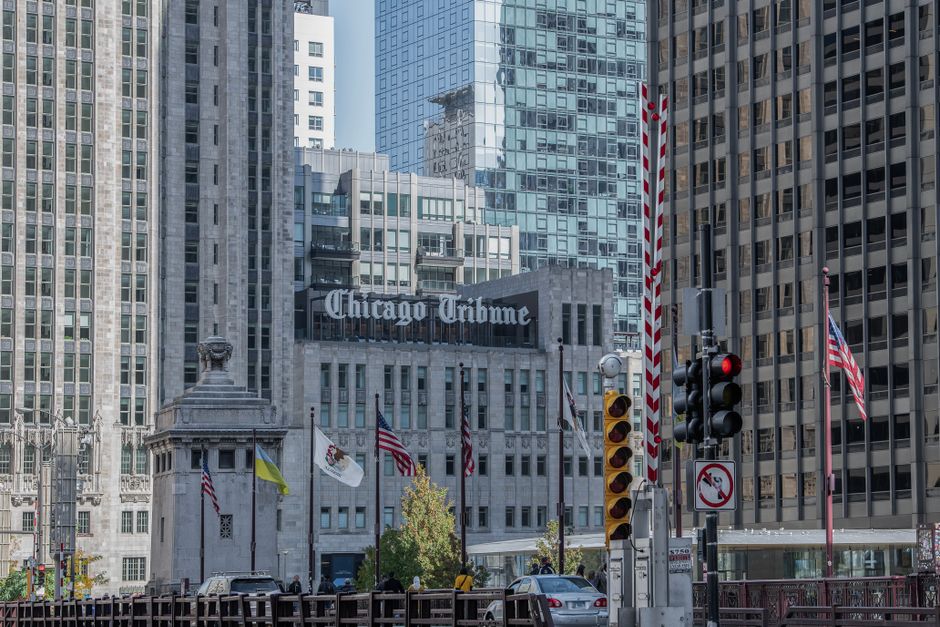
The issue surfaced earlier this year when staff at the Chicago Department of Planning and Development flagged repeated instances of identical photographs appearing across unrelated project submissions in the city's online permit portal. The duplication wasn't limited to one neighborhood. Records pulled by reporters showed submissions tied to projects on the North Side in Edgewater and on the Southwest Side near Pilsen carrying the same stock imagery tagged under different addresses and project types. When images don't accurately represent a site, reviewers can't make reliable assessments — and approvals based on faulty visual records carry legal and financial risk for the city.
The practical stakes are significant. Chicago's capital improvement plan allocates hundreds of millions of dollars annually to neighborhood infrastructure, and visual documentation of existing site conditions feeds directly into project scoping. A duplicate image attached to a streetscape proposal on West 18th Street in Pilsen could, in theory, push a project toward the wrong design specifications or mask deterioration that should factor into cost estimates.
Who Decides, and By When
Three sets of decisions are now in front of city administrators. First, the Department of Innovation and Technology — which manages the back-end systems for the city's permitting platform, Chicago Permits — must decide whether to implement automated duplicate-detection software or rely on manual audits. An automated approach would require a procurement process and budget authorization; a manual audit of active files alone could take months given the volume of submissions the department processes each week.
Second, the Chicago Department of Planning and Development must settle on a remediation protocol for files already in the system. That means defining what counts as a material duplicate — an identical image tagged to two projects in the same review cycle is different from a generic exterior shot that multiple applicants pulled from the same publicly available library. The distinction matters because a blanket correction sweep could inadvertently flag legitimate submissions and stall approvals in neighborhoods like Bronzeville and Rogers Park where community development groups have active project timelines.
Third, aldermanic offices on the City Council's Committee on Housing and Real Estate are weighing whether to push for an ordinance requiring image provenance standards in all future planning submissions — essentially mandating that photographs be geotagged, dated, and certified as original to the site described. Supporters argue it closes a gap that has been exploited; opponents say it adds compliance costs to small developers and nonprofit builders who already struggle with Chicago's permitting timeline.
What Community Groups Are Watching
Organizations including Neighborhood Housing Services of Chicago, which operates across more than two dozen city neighborhoods, and the Metropolitan Planning Council have both been tracking the procedural questions. Neither has taken a formal public position, but both have members with projects in active review who could be affected by how the audit proceeds.
The timeline is tighter than it looks. The city's fourth-quarter infrastructure review is scheduled to begin in October 2026, and any documentation irregularities flagged during that process could trigger automatic holds on disbursements tied to Community Development Block Grant funds — federal money the city has used consistently to support projects from Logan Square to South Shore.
For residents and project sponsors, the immediate practical step is straightforward: anyone with a pending submission in the city's permit portal should verify that every image attached to their file is site-specific and clearly labeled with a date and address. The Department of Planning and Development's public counter at 121 N. LaSalle Street can process documentation corrections during normal business hours. Whether the city builds a systemic fix around that basic standard is the question that the next ninety days will answer.