news
Chicago’s Infrastructure Push: How the Windy City Stacks Up Globally
With major renovations underway, Chicago’s approach to infrastructure highlights both progress and challenges compared to peer cities worldwide.
How we reported this
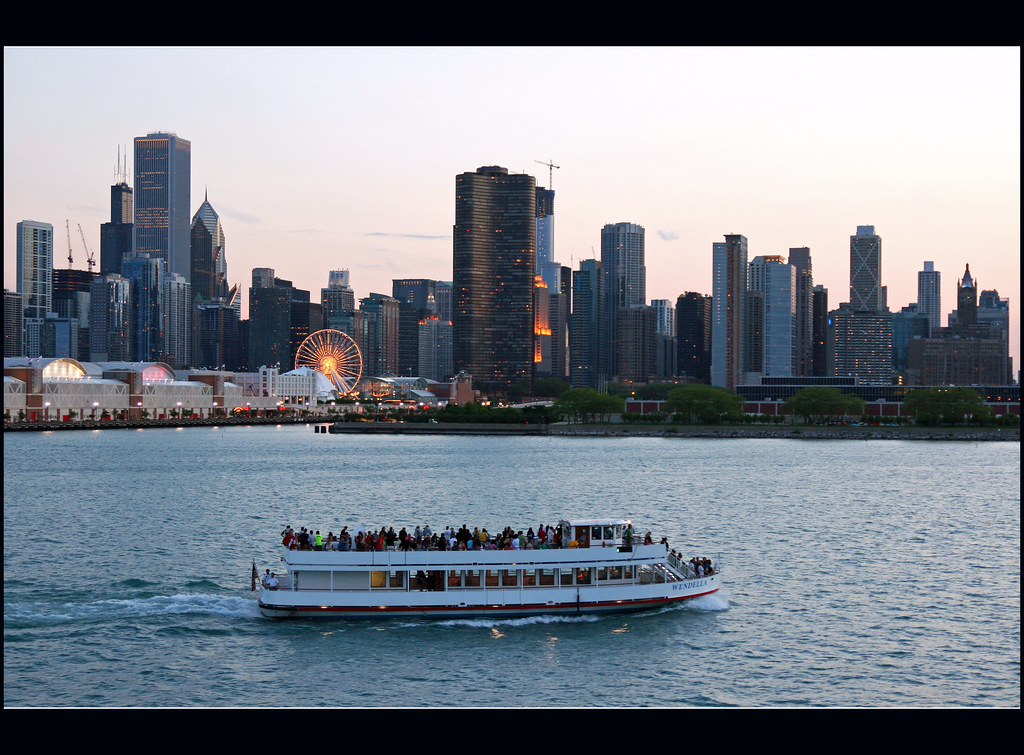
Chicago has embarked on one of its most ambitious infrastructure renewal campaigns in decades, investing nearly $5 billion over the next five years to upgrade bridges, roads, and public transit systems. This surge places the city among a growing group of global urban centers prioritizing infrastructure revitalization in response to aging assets and climate change pressures.
The intense focus on infrastructure comes as urban areas worldwide grapple with decaying transportation grids and the urgent need to accommodate larger, more sustainable transit networks. Chicago’s efforts are especially significant given the city’s economic stature and the complexity of its infrastructure, which includes more than 4,000 bridges-the most of any U.S. city-and a transit system critical to daily commuters. The timing coincides with rising federal infrastructure funds and mounting public demand for safer, greener travel options.
Chicago's Key Projects in Context
Locally, the Chicago Department of Transportation (CDOT) is spearheading multiple initiatives. The $850 million renovation of the Franklin Street Bridge, scheduled for completion by fall 2027, aims to improve traffic flow and pedestrian safety in the Loop. Meanwhile, the modernization of the Red Line stations at 95th/Dan Ryan, a $270 million project, promises upgraded accessibility and expanded service capacity in one of the city’s busiest southern neighborhoods.
These projects are part of the broader "Chicago Forward" plan, which coordinates infrastructure investments with economic development efforts. The involvement of regional stakeholders such as the Metropolitan Planning Council and the Chicago Transit Authority (CTA) ensures that improvements address both commuter convenience and equitable access across neighborhoods like Bronzeville and Logan Square.
Comparing Data and Strategies Globally
When measured against other metropolitan hubs like Toronto and Barcelona, Chicago’s investment is notable but moderate in per capita terms. Toronto, with a population of 6.8 million, plans $8 billion in transit upgrades over the next decade, emphasizing electric buses and expanded rail. Barcelona’s recent $6 billion investment focuses heavily on sustainable urban mobility solutions, including widened bike lanes and pedestrian zones in its historic center.
Chicago’s $5 billion commitment works out to roughly $2,500 per resident over five years, less than Toronto’s $3,200 and Barcelona’s $3,000 per capita over comparable timelines. However, Chicago’s projects prioritize repairing extensive infrastructure backlogs, such as addressing the 30% of city bridges rated structurally deficient as of 2025, compared to 12% in Toronto and 8% in Barcelona. The scale and age of Chicago’s infrastructure necessitate a focus on rehabilitation over new-builds.
Despite these challenges, Chicago’s integration of smart technology through CDOT’s "Smart City Chicago" initiative enhances project outcomes. For example, adaptive traffic signals on Michigan Avenue aim to reduce congestion by 15%, using real-time data analytics-a feature increasingly common in cities like Singapore but less prevalent in North American counterparts.
Funding remains a hurdle. Although the city has secured $1.2 billion from the federal Infrastructure Investment and Jobs Act, the balance depends on local bonds and public-private partnerships. Cost overruns have already appeared; the initial Franklin Bridge estimate of $700 million increased amid supply chain disruptions, similar to trends seen globally since 2024.
For Chicagoans, the immediate effects include longer construction periods and traffic detours-an inconvenience compounded by a summer heatwave impacting workers and commuters alike. Nonetheless, early signs point to smoother commutes in renovated zones, indicating the strategic investments may deliver lasting benefits.
Looking forward, city officials anticipate accelerating green infrastructure projects, such as expanding green roofs and permeable pavements in flood-prone areas like River North and Pilsen. Residents and businesses can expect public forums on these initiatives in late 2026, offering a chance to weigh in on Chicago’s evolving urban landscape.
As Chicago advances its infrastructure agenda, ongoing transparency about progress and fiscal management will be critical to maintaining public trust. While the Windy City may lag slightly behind some global peers in per capita spending, its focus on addressing legacy infrastructure amid growing climate risks sets a distinct path tailored to its unique urban fabric.