news
Chicago’s Neighborhood Development: A Local Approach with Global Parallels
How Chicago is balancing growth and community needs amid global urban challenges
How we reported this
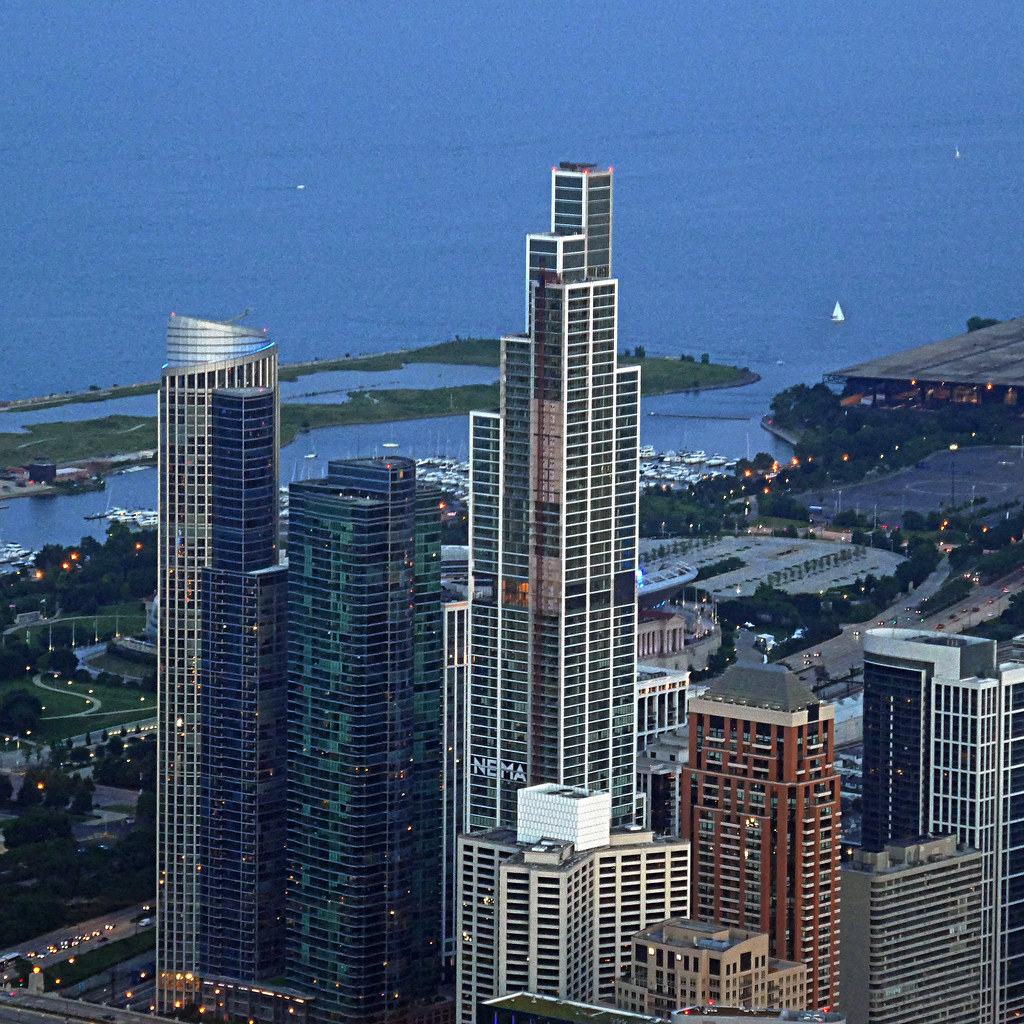
Chicago is stepping ahead in managing neighborhood developments by integrating community-led planning and sustainable growth, setting it apart from many global cities facing similar pressures.
Rapid urbanization and housing affordability crises have intensified worldwide. Cities from New York to Berlin are grappling with explosive demand for housing and commercial space. Chicago, with its diverse population and deep-rooted neighborhoods, confronts this reality with strategies tailored to local identity and equity. This approach is gaining attention as cities globally look for scalable solutions to urban growth challenges.
Chicago’s Neighborhood Initiatives in Focus
In areas like Pilsen and Bronzeville, Chicago’s Department of Planning and Development (DPD) recently launched updated frameworks emphasizing mixed-use spaces and affordable housing. The Pilsen Design Overlay permits higher density developments but requires cultural preservation elements, reflecting the neighborhood’s rich Mexican-American heritage. Meanwhile, the Bronzeville Community Development Initiative focuses on economic empowerment, partnering with local organizations such as the Black Metropolis National Heritage Area to support small businesses alongside new construction.
Additionally, the city’s Invest South/West program targets historically under-invested communities including Englewood and Roseland by funneling resources into infrastructure, parks, and housing projects that are shaped by resident input. These programs contrast with some global counterparts where rapid redevelopment often displaces long-term residents without structured participation.
Data Drives Local Success Compared to Global Peers
Chicago’s efforts are measurable: between 2022 and 2025, the city approved over 5,000 new affordable housing units under various neighborhood plans, accounting for roughly 40% of all new housing permits citywide. In Pilsen alone, a recent zoning update in late 2025 led to the approval of 350 affordable units integrated into larger mixed-use projects, with rents capped at 60% of Area Median Income (AMI).
By contrast, a 2026 report from the Urban Land Institute cited cities like London and Toronto struggling to hit even 25% affordable housing targets amid soaring land costs. Chicago’s average median home price, at around $310,000 in early 2026, remains substantially lower than these global cities, though it’s climbed nearly 15% over the past two years-highlighting persistent affordability pressure even with proactive policies.
Experts from the Congress for the New Urbanism suggest Chicago’s model of combining technical planning with community engagement and cultural sensitivity could serve as an example worldwide, especially for cities balancing historical preservation with modernization.
Looking ahead, Chicago officials signal continued investments in neighborhood plans with a focus on transit-accessible sites along corridors like the Damen Avenue and 95th Street transit hubs. For residents and developers tuning in, staying involved in local aldermanic community meetings and the city’s open development portal can offer opportunities to shape upcoming projects.
With careful, locally grounded strategies that weave in global lessons, Chicago aims to maintain vibrant neighborhoods while wrestling with the twin demands of growth and equity facing 21st-century cities everywhere.