news
Chicago Traffic Congestion Worsens: Here's What Residents Must Know
Growing congestion across Chicago’s streets impacts daily life, community cohesion, and local economies.
How we reported this
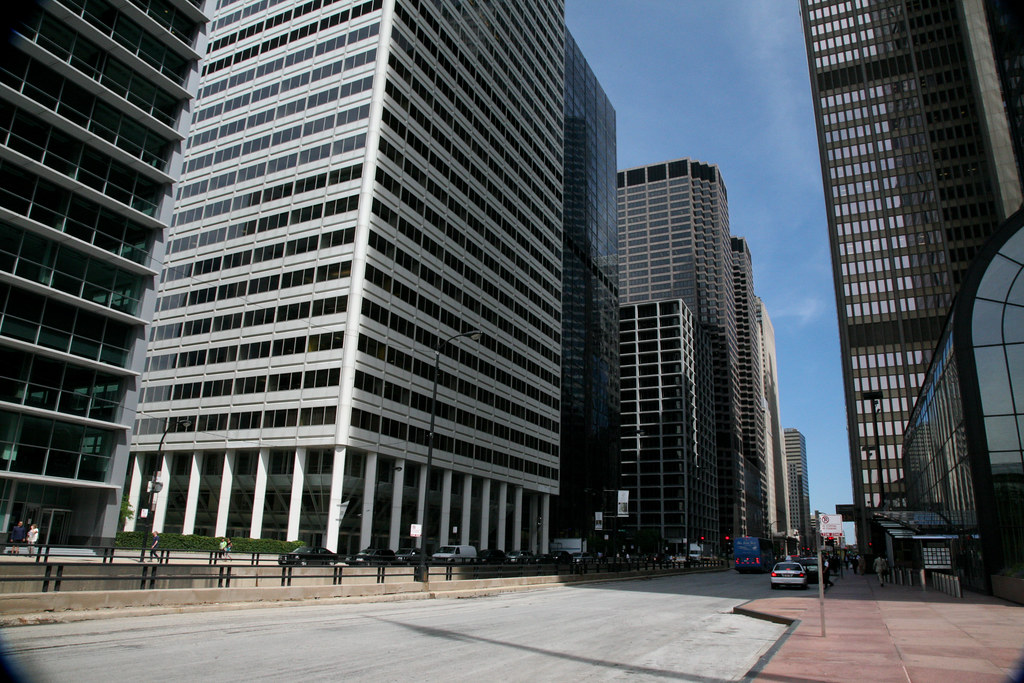
Chicago residents are facing increased traffic congestion, with growing delays and overcrowded streets affecting neighborhoods throughout the city. While no single statistic from current reports details the precise increase, the rising demand on the city’s transport infrastructure poses significant challenges for daily commuters and the wider community.
Why This Matters Now
The city’s traffic congestion situation is more than a mere inconvenience; it directly shapes residents’ quality of life. Longer commute times reduce hours available for family, work, and leisure, while increased vehicle idling contributes to poorer air quality and environmental concerns. These conditions can strain local healthcare and reduce economic productivity given Chicago’s status as a major urban hub.
The challenge extends beyond car drivers. Bus and public transit users experience delays, leading to decreased transit reliability and frustration. Neighborhoods particularly affected by traffic bottlenecks find themselves facing disruptions that influence daily routines and local business activities. Understanding these impacts is key for Chicagoans who rely on the city’s roads to carry out everyday activities.
Impact on Chicago’s Communities and Infrastructure
Parts of Chicago known for high traffic volumes-such as downtown areas near Lake Shore Drive and arterial routes like Western Avenue-consistently experience jammed corridors, stressing existing road capacities. Likewise, intersections near key commercial zones and transit hubs see more congestion during rush hours, compounding the struggle to maintain smooth movement.
The city government and transportation agencies have invested in efforts to mitigate traffic issues, focusing on smarter traffic signal timing and public transit enhancements. Even so, the rising population and number of vehicles continue to test these interventions. Local programs that promote alternative transit options and cycling have been encouraged to reduce dependence on cars, aiming to limit the community-wide effects of congestion.
Residents and businesses report the broader consequences as well. Deliveries may be delayed, emergency response times affected, and noise pollution rises. These cumulative effects underline why the current traffic situation is not only a transport issue but a community concern requiring coordinated solutions.
Looking Ahead: What Residents Can Do
While citywide resolutions will take time, residents can consider various practical steps to navigate the congestion. Carpooling, using available public transit where timing allows, or adjusting travel times to off-peak hours can help ease individual daily experiences. Supporting local initiatives aimed at sustainable transit can also contribute to longer-term improvements.
Community organizations are actively discussing strategies to balance traffic flow with neighborhood livability. Monitoring local transportation department updates and engaging with public forums offers residents a channel to voice concerns and stay informed. The reality of Chicago’s traffic challenges calls for both collective and individual efforts, with an emphasis on adaptability and awareness to manage the current impacts on daily life.