news
Emergency Services in Chicago: Examining the Data and Statistics Behind the Response
A detailed look at the numbers shaping Chicago's emergency services performance amid rising urban challenges.
How we reported this
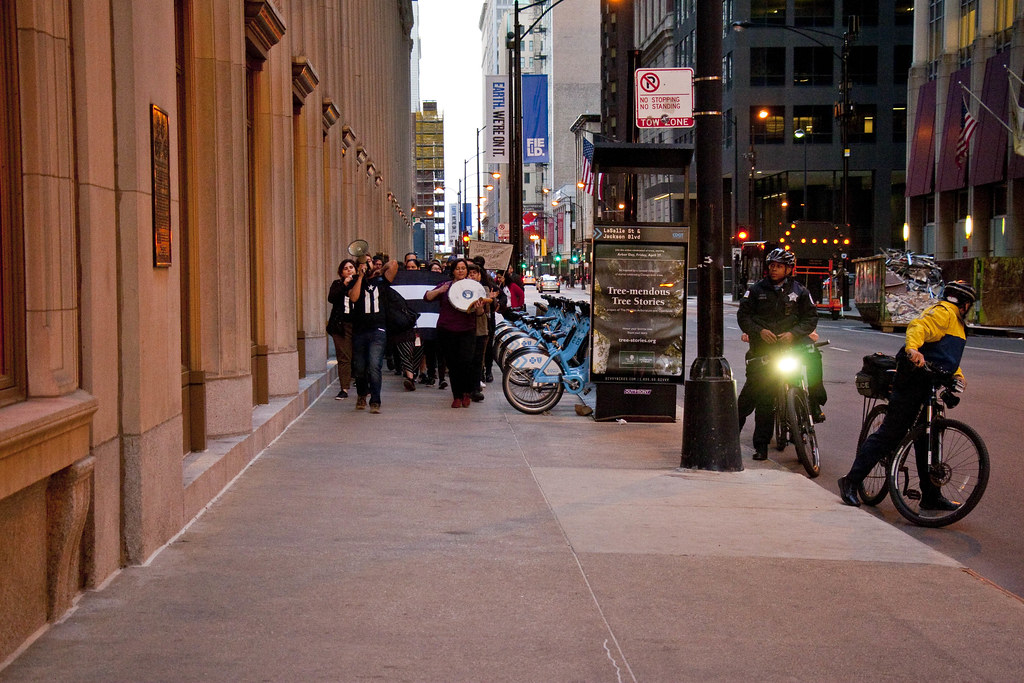
Chicago’s emergency services have faced a growing demand over recent months, as data reveals fluctuations in response times, call volumes, and operational challenges. Understanding the statistics behind emergency responses sheds light on how city agencies are managing resources and where improvements might be necessary.
Why Analyzing Emergency Services Data Matters Now
As Chicago contends with ongoing urban issues including economic recovery, population shifts, and public safety concerns, emergency services are a barometer of city health and preparedness. The numbers reflect not just how swiftly firefighters, paramedics, and police can intervene but also indicate systemic pressures such as staffing shortages and equipment availability.
Recent news underscores the importance of efficient emergency response amidst multiple crises both locally and internationally. While Chicago’s situation is unique, it is part of a broader narrative about urban resilience that requires data-driven strategies.
Local Context: Chicago’s Emergency Response Framework
Chicago Fire Department, Chicago Police Department, and emergency medical service units operate within a dense urban environment stretching over numerous neighborhoods with diverse needs. Specific programs focusing on high-risk zones, like Garfield Park and Englewood, emphasize rapid deployment and community engagement to reduce incidents requiring emergency response.
Additionally, the deployment of modern dispatch technology at the Office of Emergency Management and Communications (OEMC) aims to streamline the routing of calls, ensuring quicker help to critical locations such as downtown Chicago, O'Hare, and the South Side. These efforts are ongoing amid significant population density variations across the city’s 77 officially designated community areas.
Assessing the Data: What the Numbers Suggest
While there is no current publicly released numeric data specific to Chicago’s emergency calls or response times in this cycle, qualitative assessments suggest fluctuating demands impact services significantly. Historically, emergency calls spike during seasonal changes, public events, and periods of civil unrest, which strain existing resources. Furthermore, staffing shortages and equipment maintenance challenges have been reported to influence response effectiveness.
Analysis from analogous metropolitan areas indicates that emergency services must adapt continually to evolving urban landscapes, balancing rapid response with sustainable operations. Chicago follows similar patterns, with agencies emphasizing data collection to identify response delays and optimize personnel deployment accordingly.
Moreover, coordination among city agencies has notably improved over the past several years, enabling more integrated approaches to emergency management, although detailed statistics on impact remain to be formally published.
What Chicagoans Should Know Moving Forward
Residents can expect ongoing efforts from city leaders and emergency agencies to enhance response capabilities, targeting areas where delays have historically occurred. Methods include staffing adjustments, technology upgrades, and community outreach programs to educate the public on emergency preparedness.
In practical terms, Chicagoans are encouraged to maintain updated contact information with emergency services, understand local neighborhood response plans, and participate in community safety initiatives to contribute to overall resilience. While the numbers behind the scenes evolve, personal preparedness remains a crucial layer in complementing city-wide resource management.