news
Chicago’s Traffic Management: A Global Perspective on Urban Congestion
Examining how Chicago navigates transport and traffic challenges compared to major cities worldwide.
How we reported this
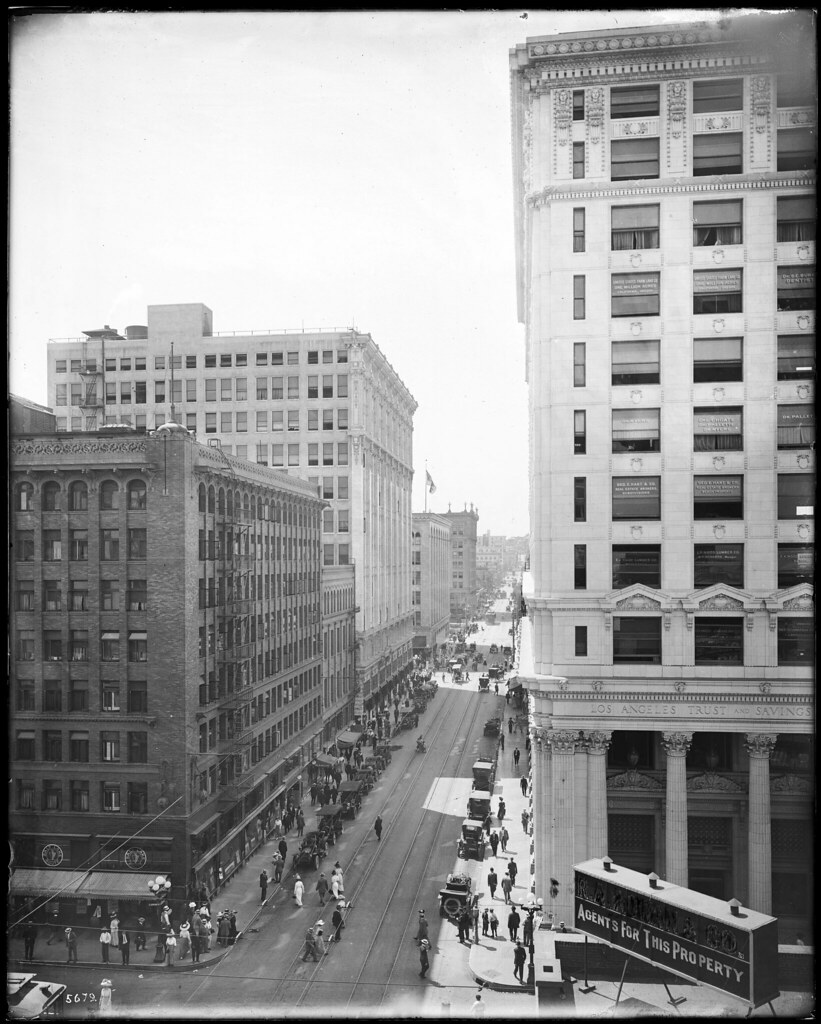
Chicago, known for its sprawling road networks and dense urban core, faces perennial traffic congestion issues common to major cities. Unlike some global counterparts, the city is still working toward integrated solutions that balance road use, public transport, and sustainable options.
Why Chicago’s Traffic Management Matters Now
As urban populations grow and city infrastructure ages, managing transport becomes crucial for economic productivity and quality of life. Chicago’s traffic jams not only cause delays but also contribute to environmental pollution and stress for commuters. With global cities experimenting with new techniques in traffic flow and congestion pricing, looking at how Chicago stands in this environment is timely for residents, businesses, and policymakers alike.
Chicago’s Local Approach in a Global Context
Unlike some capitals that have implemented congestion zones or extensive toll systems, Chicago relies heavily on a patchwork of improvements. The city has expanded dedicated bus lanes in areas like the Loop and along major arteries such as Lake Shore Drive to speed up public transit. These efforts, however, remain less expansive than the sweeping policies seen internationally in cities focused on limiting car usage.
The Chicago Department of Transportation has also invested in smart traffic signal technology aimed at adapting to real-time conditions, a strategy seen in many global hubs attempting to reduce idling and improve flow. Yet, the city still grapples with congestion during peak hours, especially in neighborhoods west of the downtown core, where road infrastructure lags behind traffic demand.
Public bike-sharing and pedestrian-friendly zones have grown in select districts such as River North and the West Loop, hinting at a broader shift towards multimodal transport. However, compared to cities with aggressive urban densification and transit-oriented development, Chicago’s approach appears incremental.
One challenge unique to Chicago is the extensive rail network that shares surface streets and competes with vehicular traffic, complicating efforts to streamline flow. Unlike many European or Asian cities with segregated transit corridors, the interplay between freight and commuter trains with roads creates periodic bottlenecks.
While exact congestion statistics for Chicago weren’t available in the provided sources, the qualitative descriptions point toward ongoing struggles with peak-time delays and fragmented policy enforcement. This suggests Chicago’s traffic situation, though managed, has room for innovation and alignment with successful global models focusing on reducing car dependency and enhancing public and active transport.
What Comes Next for Chicago Commuters
Urban planners and city officials might look to amplify data-driven traffic management solutions and broaden public transit infrastructure to better mirror globally successful practices. Residents can expect gradual improvements in bus and bike infrastructure but should continue preparing for congestion challenges during rush hours. The conversation around congestion pricing or expanding dedicated transit corridors remains open, underscoring the complexity of balancing growth, mobility, and sustainability in Chicago’s unique urban fabric.