news
Chicago’s Budget Vote Looms: What Happens Next and the Key Decisions Ahead
City Council prepares to finalize the 2027 budget amid pressing infrastructure and public safety challenges.
How we reported this
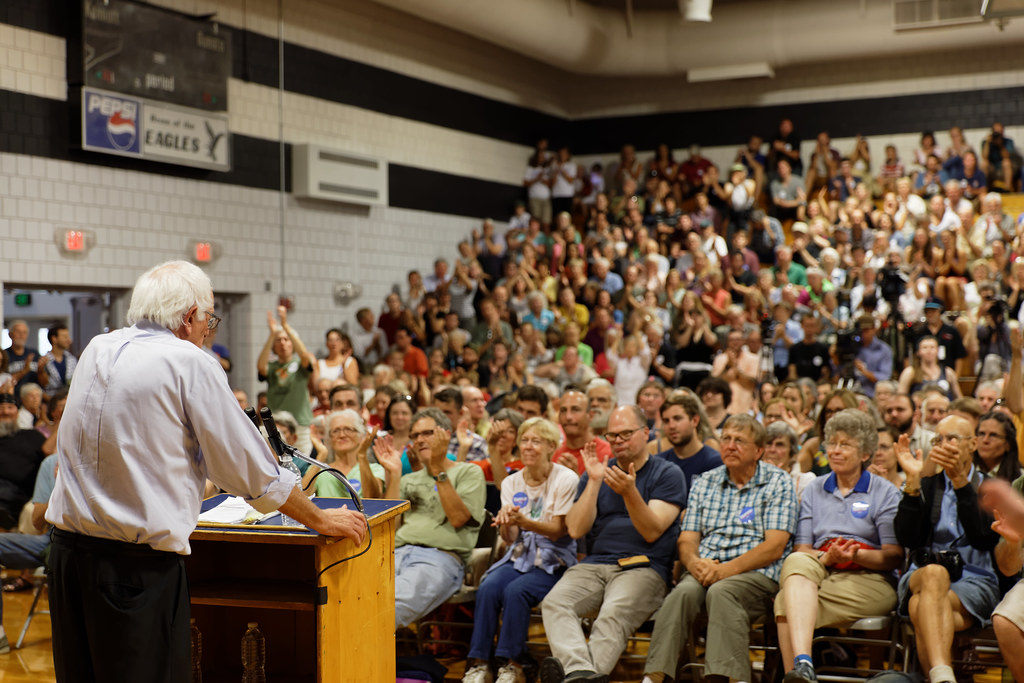
Chicago’s City Council is set to vote next week on the proposed $17.5 billion budget for fiscal 2027, marking a critical moment for the city’s immediate future. The plan emphasizes funding for the city’s ailing infrastructure and bolsters public safety initiatives, placing tough choices on aldermen as they weigh neighborhood priorities and taxpayer concerns.
The budget showdown comes after months of intense negotiations within City Hall, driven by growing demands for investment in transit, roads, and crime reduction. With Chicago experiencing its 34th consecutive month of rising violent crime rates and public transportation delays worsening, the council’s decisions will shape residents’ daily lives and the city’s economic health. The debate unfolds amid concerns over rising property taxes and the looming risk of service cuts.
Neighborhood Impact and Community Stakeholders
Two neighborhoods stand to be particularly affected by the budget’s course: Bronzeville on the South Side and Logan Square on the Northwest Side. Bronzeville, still recovering from years of underinvestment, is slated for new road repairs along King Drive and restoration of the historic Harold Washington Park. Meanwhile, Logan Square could see expanded funding for the CTA Blue Line stations and increased youth programming through the Chicago Park District’s summer initiative in Palmer Square.
Key organizations such as the Metropolitan Planning Council and the Chicago Transit Authority have weighed in during public hearings, emphasizing that sustained investment is critical to stem population loss and improve quality of life. Meanwhile, the Chicago Police Department seeks $1.3 billion in funding to maintain officer staffing levels and expand community policing efforts, a proposal that has split opinion among aldermen and advocacy groups.
Budget Figures and What Residents Should Expect
The proposed 2027 budget would allocate $2.2 billion for infrastructure repairs across streets, bridges, and public transit systems, a 12% increase over last year’s spending. Property taxes are projected to rise by an average of 3.5% for homeowners, translating to about $150 more annually for the median-priced home in the Logan Square area. Additionally, the budget provides $250 million for affordable housing initiatives to address Chicago's growing vacancy rates, which stood at 12% citywide last quarter according to the Chicago Department of Housing.
Transparency advocates have pushed for clearer reporting on these investments, calling for quarterly updates on key projects such as the renovation of the Lake Shore Drive corridor. With the city's rainy season approaching, residents are also watching closely how funds will be allocated for flood mitigation in low-lying neighborhoods including Englewood.
Once the budget passes, City Hall plans to launch a new interactive portal where residents can track spending and participate in feedback surveys, aiming for greater civic engagement throughout the year. Aldermen are expected to hold follow-up sessions in community centers like the Logan Square Auditorium and Bronzeville Legacy Center to discuss implementation and gather local input.
The vote next week will set the tone for how Chicago confronts its financial challenges head-on. For residents worried about property taxes or service cuts, attending upcoming ward meetings or reviewing the budget documents online will provide crucial insight. In the coming months, how effectively the city delivers on promises in transportation, safety, and housing will determine whether Chicagoans see tangible improvements by 2028.