news
Chicago’s Emergency Services: How the City Stacks Up Against Global Peers
An examination of Chicago's current emergency response capabilities compared to international urban centers amidst increasing global crises.
How we reported this
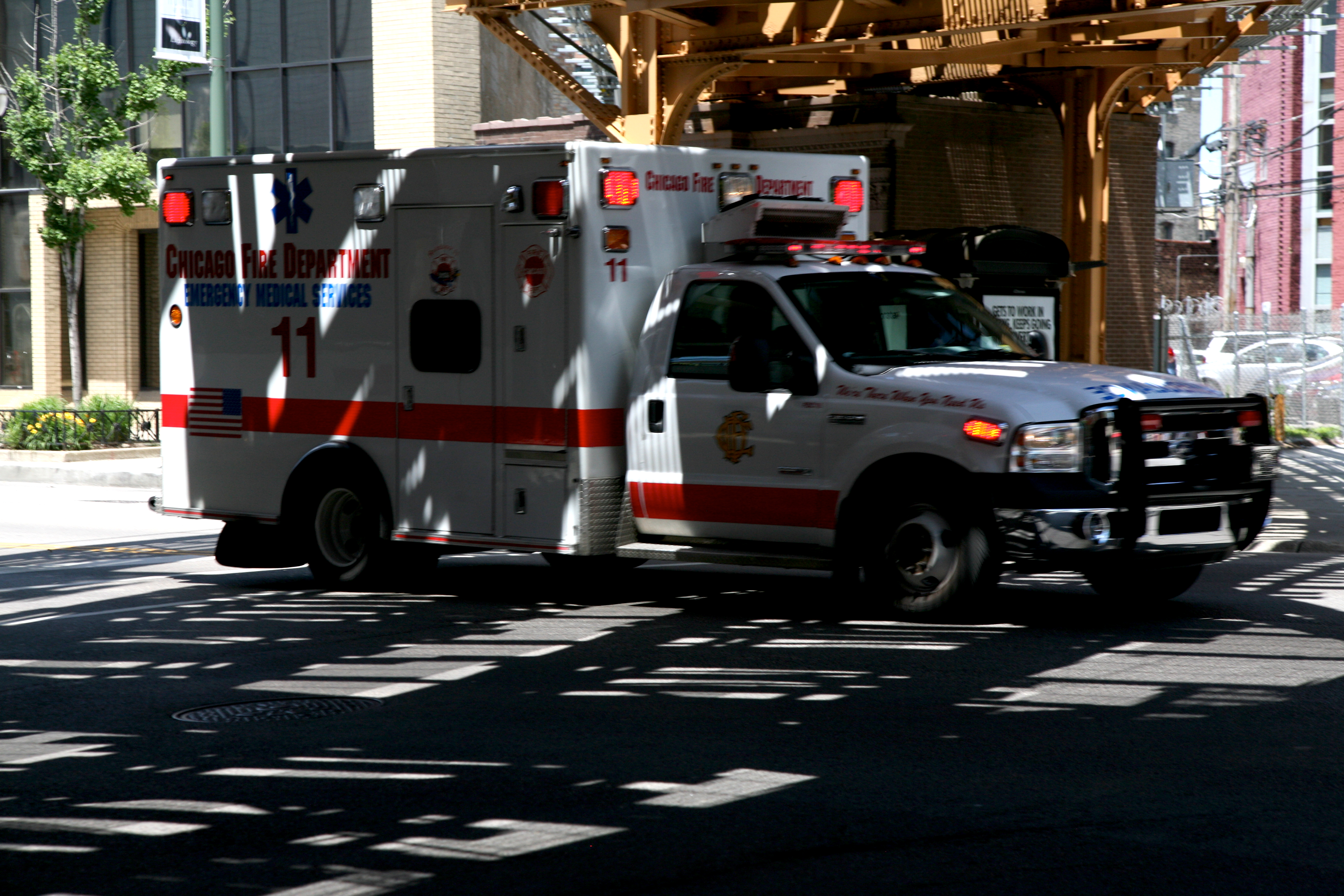
In light of escalating global emergencies, cities worldwide are reassessing their emergency services to better protect residents. Chicago, with its complex urban fabric and diverse population, faces significant challenges yet exhibits resilience through ongoing modernization efforts.
Why Emergency Readiness Matters for Chicago Now
The urgency for Chicago to advance its emergency response capabilities cannot be overstated, especially as climate-related incidents such as wildfires and extreme weather rise globally. The simultaneous crises in places like Spain’s Almeria province, where residents have endured fierce blazes, underscore the risks American cities might face if preparedness is lacking. Though Chicago does not face the same wildfire threats as parts of Europe or Asia, infrastructural risks from storms, neighborhood-specific vulnerabilities, and dense urban environments demand robust systems.
Compared to cities managing mass evacuations-such as the nearly two million people relocated in China from typhoon-threatened zones-Chicago must scale its coordination and communication strategies. The city also contends with unique challenges arising from its socioeconomic disparities and sprawling neighborhoods, requiring tailored emergency service approaches.
Chicago’s Approach and Challenges
Chicago Fire Department and Chicago Emergency Management Agency have invested in advanced coordination and community outreach initiatives, yet resource allocation still tests capacity during larger-scale incidents. Deployments often hinge on rapid communication with neighborhoods spread across the city’s 77 officially recognized community areas.
Technology integration, such as real-time data sharing and improved first-responder dispatch software, mirrors efforts in other metropolitan areas globally. Nonetheless, Chicago's dense infrastructure and aging public facilities must contend with challenges that can slow response times.
In comparison to the record-breaking treatment trial for Ebola currently underway in the Democratic Republic of Congo, Chicago's public health emergency infrastructure is comparatively stable but must remain vigilant amid evolving threats. Lessons from international responses emphasize rapid deployment of medical resources and community engagement as critical for success locally.
Though no recent local data on response times or incident outcomes is publicly disclosed to evaluate Chicago comprehensively against global benchmarks, qualitative observations highlight a need for continued investment in training, technology, and cross-agency partnerships.
Next Steps for Residents and Officials
For Chicago residents, familiarizing themselves with local emergency preparedness programs, such as the city’s Ready Chicago initiative, can improve personal safety. Officials are expected to prioritize infrastructure resilience and interagency communication enhancements to align Chicago’s emergency services with world-leading standards.
While specific future developments remain internal to city management protocols, the focus will likely rest on building adaptive capacity, especially considering unpredictable natural and manmade threats. Ongoing comparison to global cities confronting multifaceted emergencies informs how Chicago scales its response to protect its population effectively.