news
Chicago Traffic Reshapes How Residents Reach Work and Schools Daily
Ongoing road conditions affect how people reach work, schools and local services across the city.
How we reported this
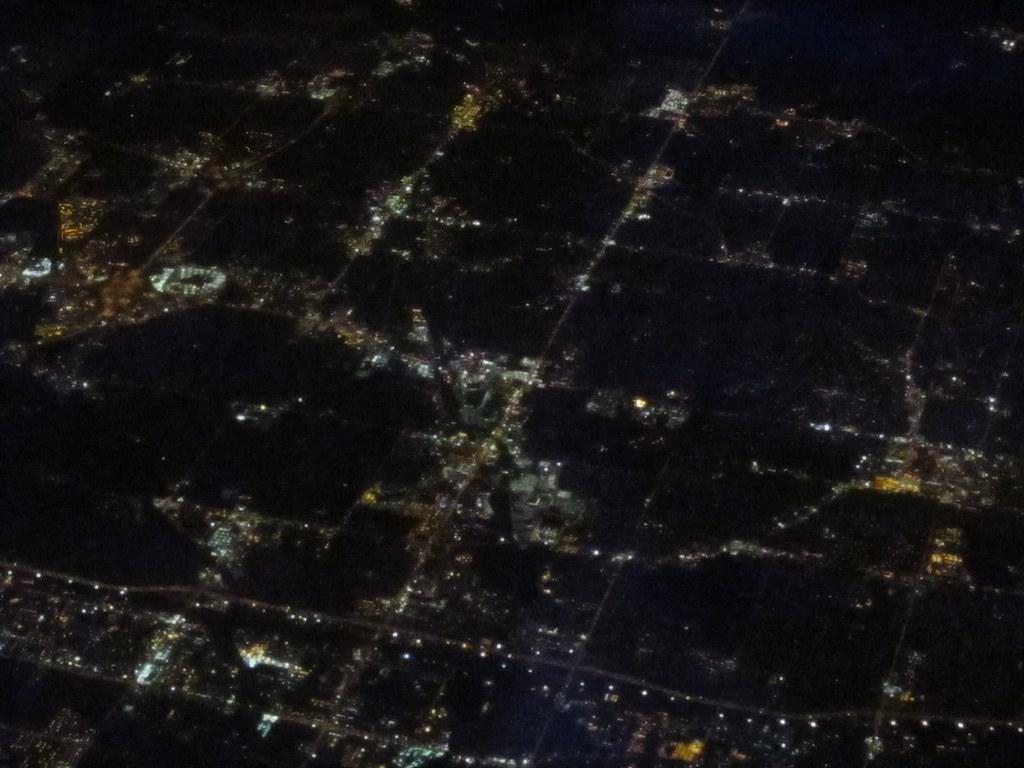
Residents in Chicago face regular delays on major routes that extend commute times and limit time spent at home or with family. These patterns affect access to jobs in downtown offices and services in outlying areas alike.
Effects on Everyday Mobility
People who drive or rely on buses report spending more time in vehicles during peak hours. This stretches school drop-offs and evening errands into longer stretches. Local businesses notice fewer spontaneous stops when drivers avoid certain corridors during heavy flow periods.
Qualitative accounts from city drivers highlight how repeated slowdowns reduce opportunities for quick visits to neighborhood grocers or parks. Families adjust meal times and childcare handoffs around these variable travel windows. Public transit riders describe crowded platforms when road backups push more people onto trains.
Broader Community Reach
Traffic volumes influence how residents connect with nearby events and medical appointments. Slower movement through commercial strips cuts into foot traffic for small shops that depend on passing drivers. Community groups note that consistent delays can discourage attendance at evening meetings or weekend gatherings.
Air quality concerns tied to idling vehicles surface in conversations among parents near busy intersections. The cumulative effect shows up in reduced participation in local volunteer efforts when travel feels too uncertain. City planners track these shifts through resident feedback channels to adjust signal timing and route guidance.
Drivers can monitor real-time updates from city transportation sites before heading out. Checking alternate paths through apps remains a practical step for those planning daily trips. Residents who share rides or shift departure times report modest relief in some cases.