news
Chicago Parents Describe Daily School Realities as Resources Shift
Parents and residents describe daily realities in Chicago schools amid shifting resources and policies.
How we reported this
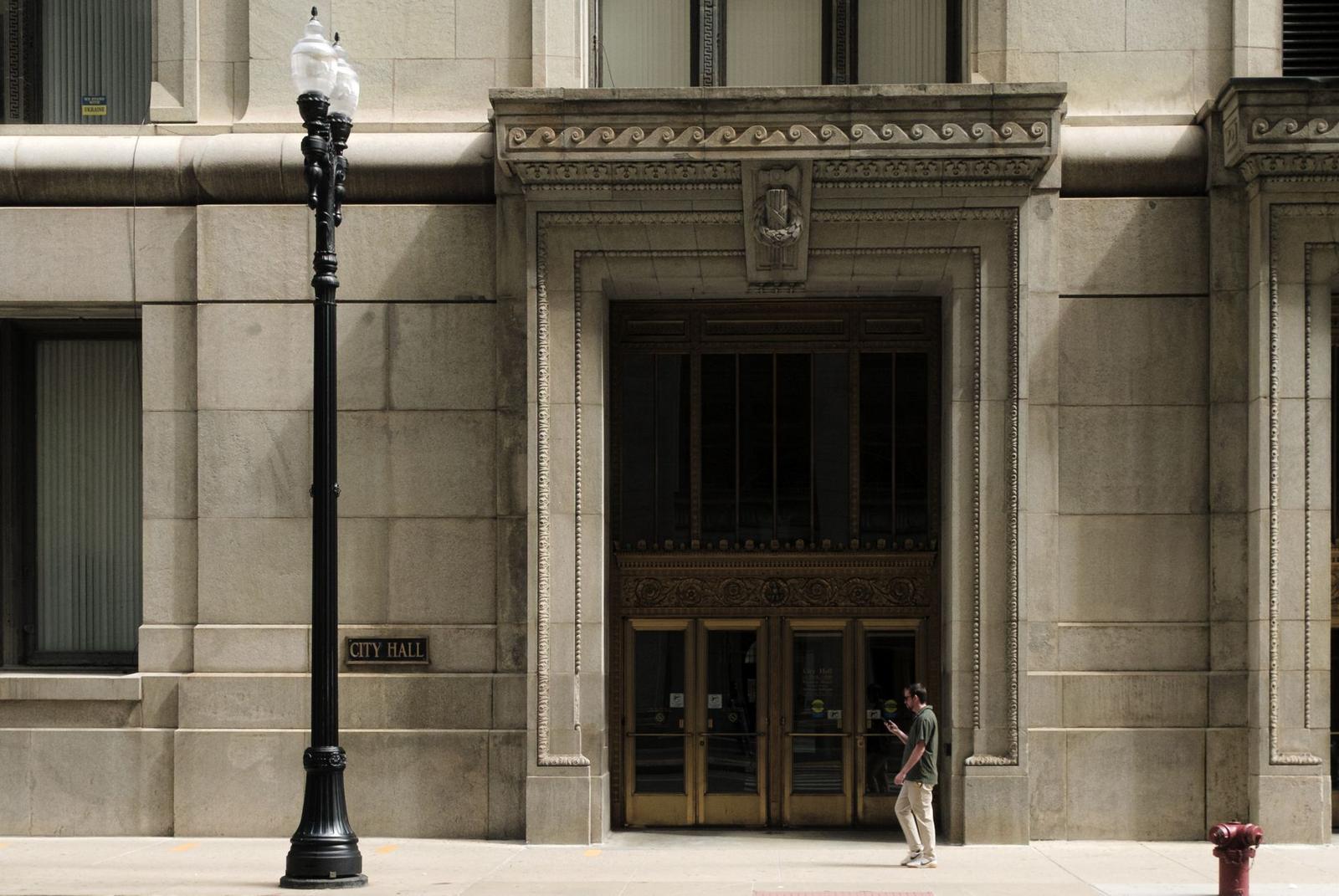
Parents in Chicago continue to speak up about conditions inside neighborhood schools. They describe crowded classrooms and limited access to counselors as persistent obstacles for their children.
Everyday Pressures on Families
One mother who drops her children at a South Side elementary each morning said the lack of after-school programs forces her to rearrange work shifts. Another parent near the lakefront noted that older textbooks still circulate even as new state standards take effect. These accounts surface regularly during informal gatherings at parks and libraries where families trade stories about report cards and transportation delays.
Residents point to uneven internet access at home as another barrier. Several households rely on shared devices, which complicates homework when multiple children need them at once. Community members also mention the strain on teachers who juggle larger groups without extra support staff.
Listening to Local Experiences
Citywide, people emphasize that decisions made downtown reach their blocks in concrete ways. A grandfather who volunteers at pickup time described watching students wait longer for buses when routes change without advance notice. A high-school junior living in an apartment building on the West Side explained how limited elective courses narrow future options. These observations come from direct encounters rather than official summaries.
Qualitative patterns emerge across conversations: families weigh safety walking to school against the cost of alternatives, and they track how budget adjustments affect art or music time. No single statistic captures the range of adjustments households make each semester.
Community members continue to attend public forums and submit written comments to school officials. They seek clearer channels to relay what works and what does not inside their own buildings.