news
Chicago Education Leaders Debate Policy Shifts, Community Needs
Officials, experts, and key figures weigh in on Chicago’s evolving education landscape amid ongoing shifts in policy and community needs.
How we reported this
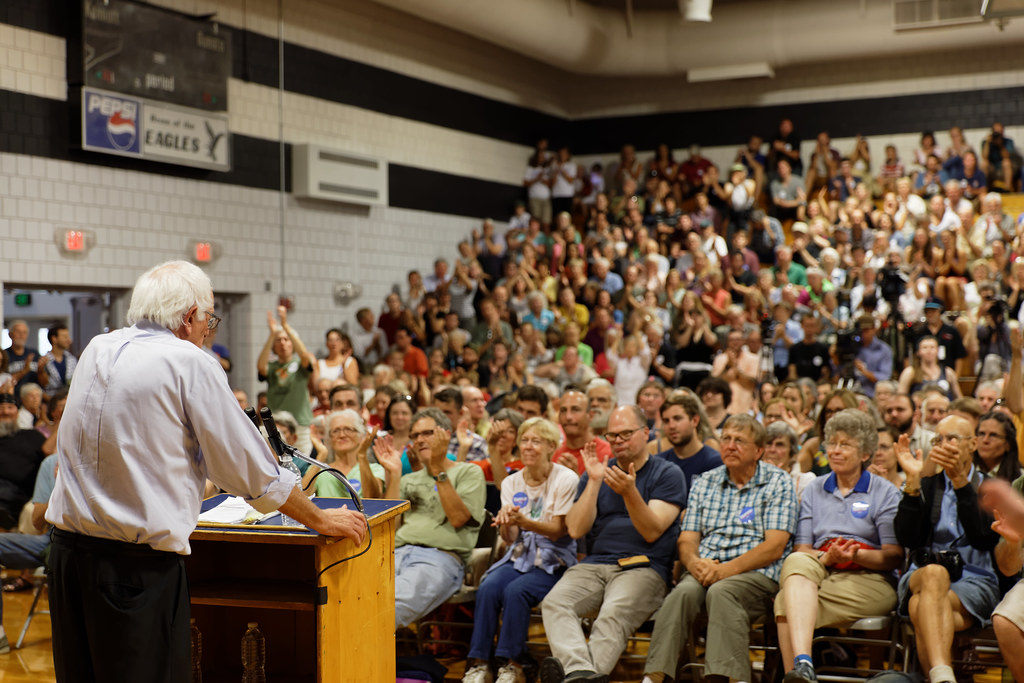
Chicago's education system is undergoing scrutiny and debate as officials and experts voice their perspectives on the city's priorities and challenges. The discussion centers on adapting to recent changes in policy, addressing community needs, and ensuring equitable access to quality education across neighborhoods.
Why Education Updates Matter in Chicago Now
The timing comes as Chicago faces pressing questions about funding allocation, student performance, and infrastructural improvements. Community stakeholders highlight the necessity of addressing these issues to avoid widening disparities among different parts of the city. According to local education advocates, enhancing support mechanisms for students and families is critical to improving overall outcomes.
The dialogue also reflects broader concerns about how shifts in national and state education policies may impact local schools. Changes in federal funding priorities influence resources available to Chicago Public Schools, intensifying the urgency for coordinated local responses.
Local Voices: Addressing Neighborhood Needs and Program Effectiveness
Leaders within Chicago's educational institutions emphasize the importance of tailoring solutions to reflect neighborhood diversity. For example, outreach programs in South Side and West Side communities are adapting to better meet the unique challenges students face in those areas, focusing on both academic support and social services. Nonprofit organizations collaborating with schools report increased demand for tutoring and mental health services, which have become a significant aspect of holistic education.
Experts note that despite efforts to improve conditions, the multifaceted nature of educational inequity in Chicago requires sustained investment and strategic planning. The city's approach must balance resources among schools in both well-established and underserved neighborhoods to foster equitable opportunities.
While no recent statistics or specific citywide performance data have been released this week, community representatives assert that qualitative evidence, such as reports from school leaders and feedback from families, demonstrate ongoing challenges with resource distribution and engagement.
Looking ahead, continued dialogue among policymakers, educators, and community groups is vital. Practical steps include expanding support for after-school programs and strengthening communication channels between schools and families. These discussions aim to shape actionable strategies that address immediate needs while positioning Chicago's education system for long-term resilience.