policy
Illinois State Legislature's Bill Tracker Highlights Cost-of-Living Measures Impacting Chicago Households
Several bills passed this session aim to ease financial burdens for Chicago residents by adjusting housing, energy, and transportation costs.
How we reported this
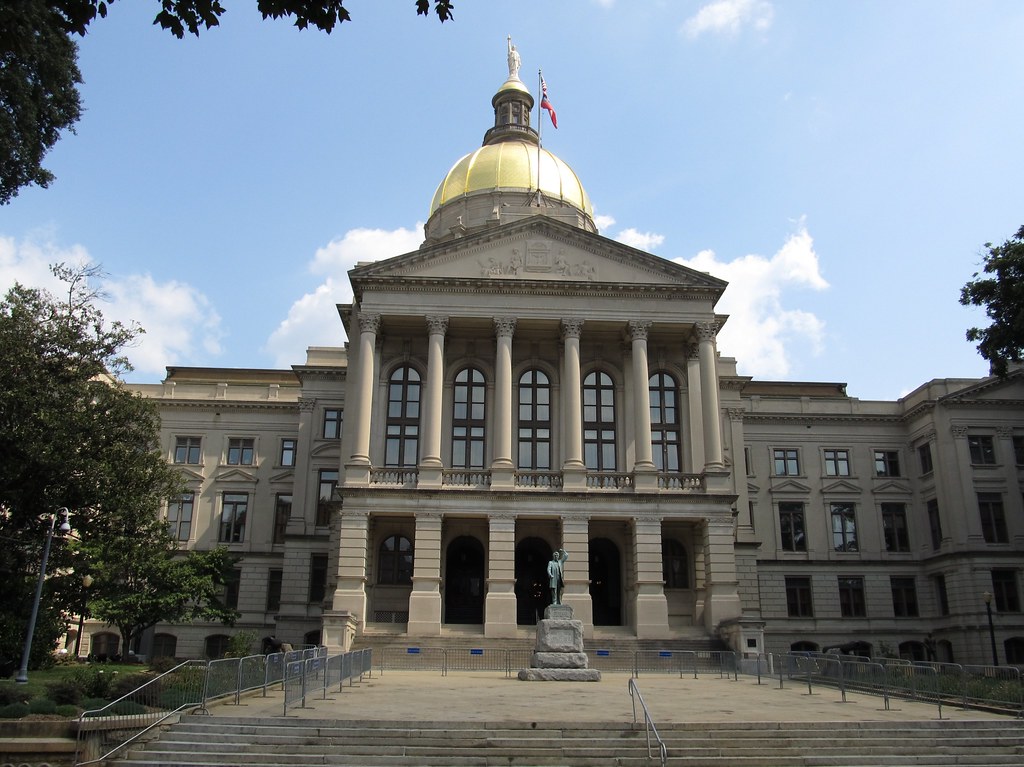
The Illinois state legislature recently passed a series of bills tracked in its 2026 legislative session that directly affect the cost of living for Chicago households. These measures, spanning rent regulation, energy assistance funding, and public transit subsidies, target the everyday expenses currently straining family budgets in the city.
As inflation and economic pressures persist, many Chicago residents face higher costs for essentials such as housing, electricity, and commuting. Data from the Consumer Price Index indicate that urban areas like Chicago have seen sustained increases in rent and utility rates over the past 18 months. This has prompted lawmakers to focus on policies that can provide some financial relief to residents, particularly lower- and middle-income households.
Local Impact on Household Budgets
One notable bill caps annual rent increases at 5 percent for residential properties, directly affecting renters in Chicago where median rent rose by 7 percent last year, according to the U.S. Census Bureau. This cap is projected to make a difference for the approximately 450,000 renter households in the city, slowing the rapid rise in monthly housing expenses.
In addition, the state expanded funding for the Low Income Home Energy Assistance Program (LIHEAP) by $25 million for the fiscal year starting July, supporting Chicago families struggling with rising utility bills. The program assists nearly 120,000 households statewide annually, with Chicago receiving the largest allocation based on population density and energy burden. This infusion aims to help residents avoid utility shutoffs during summer, when air conditioning costs peak.
Transportation and Future Steps
The legislature also approved an increase in subsidies for the Regional Transportation Authority (RTA), which provides service to Chicago and suburbs. The $15 million boost for public transit subsidies is expected to moderate fare increases projected for later this year, helping thousands of commuters who rely on Chicago Transit Authority (CTA) buses and trains.
According to the Illinois General Assembly's fiscal impact statement, these combined measures represent an estimated $85 million in new or redirected spending intended to curb household expenses in the Chicago area. The legislation states that these interventions respond to current economic conditions and aim to stabilize essential costs amid uncertain inflation trends.
Local officials have announced that implementation will begin immediately, with enforcement of rent caps taking effect in September following tenant and landlord notifications. LIHEAP and RTA funds will be allocated in the coming weeks to appropriate agencies. Policy analysts note that ongoing monitoring will assess the effectiveness of these bills on easing financial pressures, with further legislative sessions expected to consider additional supports depending on economic developments.