policy
Chicago's New Transit Policy Expands Bus Service and Modernizes Fare System Impacting Daily Commuters
The recent transit policy changes will increase bus routes and introduce contactless payments, affecting thousands of Chicago residents' daily travel and expenses.
How we reported this
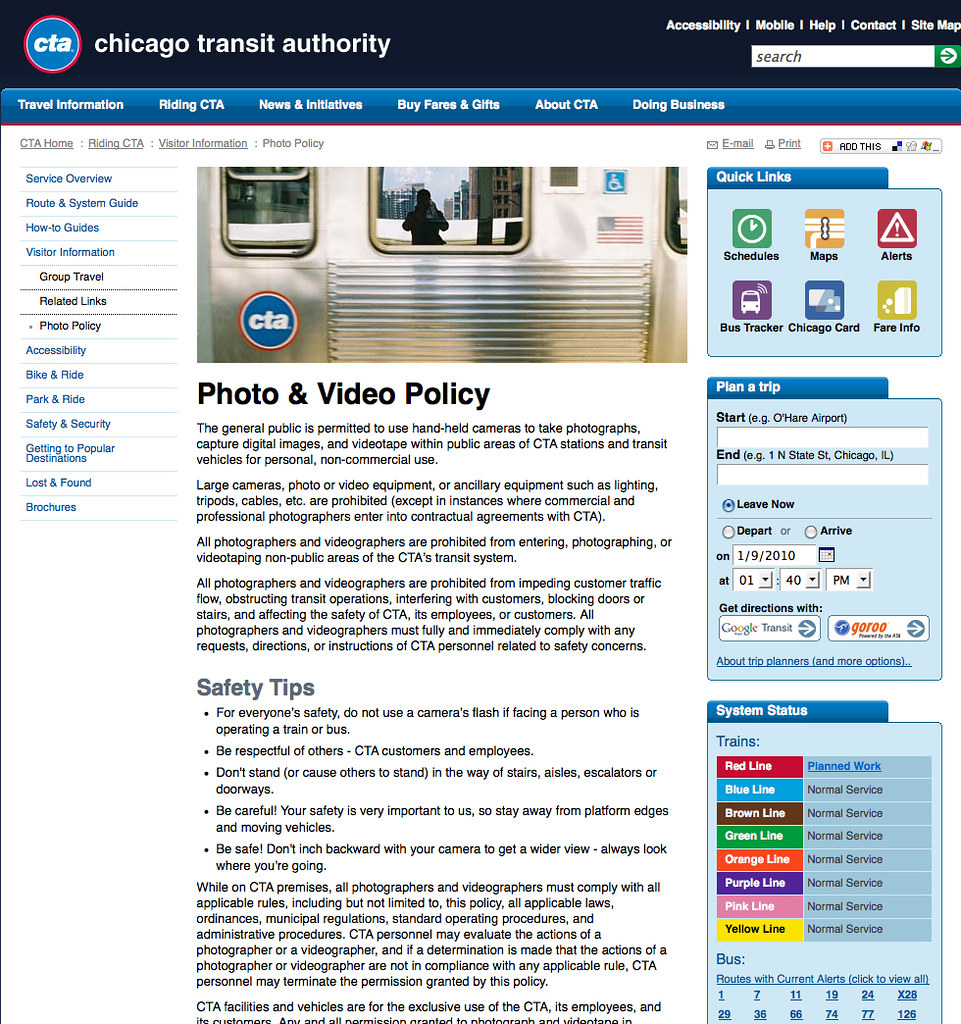
The Chicago Transit Authority (CTA) has unveiled a comprehensive transport policy update set to expand local bus services and modernize fare payment methods starting this fall. This change directly impacts the city's commuters, particularly residents in underserved neighborhoods who rely heavily on public transportation for access to jobs, education, and essential services.
As Chicago's population grows and shifts, the demand for efficient and reliable transit options has become more pressing. The new policy arises amid ongoing concerns about transit accessibility, fare equity, and network coverage delays highlighted in the CTA's 2025 performance review. Efforts to connect more residents to rapid transit hubs while reducing congestion during peak hours have shaped these reforms.
Improved Bus Coverage and Payment Convenience for Residents
The policy increases the number of bus routes by 10 percent over the next year, focusing on extending service hours and frequency in historically underfunded South and West Side neighborhoods. For example, residents near Roseland and Garfield Park will see bus frequency rise from once every 30 minutes to once every 15 minutes during weekday rush hours. This expansion aims to reduce wait times and improve access to major employment centers such as the Chicago Loop and O'Hare International Airport.
Additionally, the CTA will launch a citywide contactless fare payment system replacing the existing Ventra Card by December 2026. This system will allow riders to pay fares through smartphones, credit cards, or wearable devices. The government estimates this move could cut fare evasion and streamline boarding time, benefiting daily riders who currently encounter delays and inconvenience using legacy cards.
Budget Allocation and Projected Impact
The city's 2026-27 budget allocates $210 million toward these transit initiatives, including $120 million designated for bus route expansion and fleet upgrades. Another $45 million is earmarked for implementing the new fare payment technology, with the remainder directed toward staff training and public awareness campaigns. Policy documents from the Chicago Department of Transportation note that these improvements are expected to boost transit ridership by 7 percent in affected areas within the first year.
Community groups and transit advocates have highlighted that better service frequency and payment simplicity could lower transportation costs for low-income families by reducing reliance on taxis or ride-sharing services for last-mile connections. By connecting residents more reliably to work and school, the policy aims to support economic participation and reduce transit-related disparities.
The CTA says the new bus schedules and contactless payment system will roll out in phases beginning September 2026, with full implementation targeted for early 2027. Residents can access updated route maps and payment options through the CTA website and mobile apps as the launch date approaches. Ongoing monitoring of ridership patterns and customer feedback is planned to fine-tune services post-implementation.