Politics
Chicago City Council Updates Building Codes, Approves 2026 Infrastructure Plan
New city policies for 2026 update construction standards and infrastructure funding, impacting municipal projects and transit development.
How we reported this
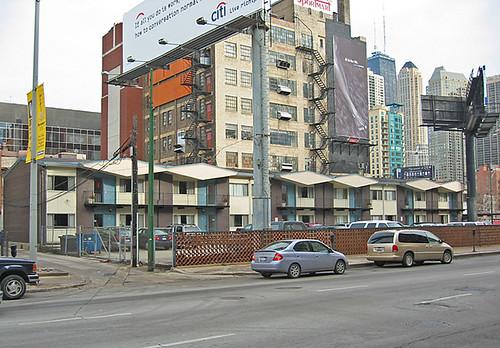
The Chicago City Council has enacted Phase 3 of its Building Codes Modernization initiative, bringing local regulations for gas, fire prevention, energy, and residential construction into alignment with national standards, according to the Illinois Green Alliance. This update represents a significant shift in the city’s regulatory framework for future development, intended to unify municipal requirements with broader technical guidelines.
Alongside the building code updates, the City of Chicago has introduced its 2026 Green Infrastructure Strategy. This initiative focuses on the implementation of nature-based solutions to address stormwater management and mitigate flooding across the city. The strategy coordinates projects that include the installation of green roofs and permeable pavement, providing a structured approach to managing environmental challenges in urban neighborhoods.
Infrastructure funding priorities have also been reshaped for the upcoming fiscal period. The City Council authorized a $1.8 billion general-obligation bond package for FY26. This funding is designated for a range of projects, including bridge repairs, street resurfacing, and the replacement of lead service lines. While these core infrastructure needs are prioritized, the budget allocation for traffic safety programs, specifically Complete Streets and Vision Zero, has seen a reduction, moving from $791 million to $212 million, according to documentation provided by the city.
Regional Transit and State Infrastructure Commitments
Residents will also see the effects of broader regional and state-level infrastructure planning. The Regional Transportation Authority (RTA) has approved a 2026-2030 Regional Capital Program totaling $9.246 billion. This program, supported by the Northern Illinois Transit Authority (NITA) Act, will prioritize work on the CTA Red Line Extension, the modernization of Metra bridges, and the transition toward bus fleet electrification. The RTA noted that this capital program is designed to proceed without fare increases or service cuts for transit riders.
Furthermore, Governor JB Pritzker announced a $50.6 billion infrastructure program at the state level, spanning six years. This program includes $400 million specifically allocated for local projects within Chicago and distressed areas. These funds are intended to support improvements to local roads, transit systems, and bicycle infrastructure. These combined city, regional, and state efforts form a multi-layered approach to managing Chicago’s built environment and transit services in the coming years.
Produced with AI assistance and reviewed against our editorial standards. Sources are linked where available. Spotted an error or need a correction? Contact corrections@dailynetwork.news.
References Sourced but Not Limited to:
- chi.streetsblog.org · Documents show the main funding source for crash prevention dropping...
- chicago.gov · 2022 2026 CIP Book
- rtachicago.org · Rta board approves 2026 regional operating budget and capital program...
- govmarketnews.com · Metra 2026 capital program chicago transit upgrades
- engage.cmap.illinois.gov · 2026 rtp
- chicago.gov · CIP 2024 2028