Politics
Illinois Adopts Major Overhaul of Chicago Transit Governance and Funding
The newly signed legislation transitions regional oversight to the Northern Illinois Transit Authority, aiming to stabilize long-term services for Chicago commuters.
How we reported this
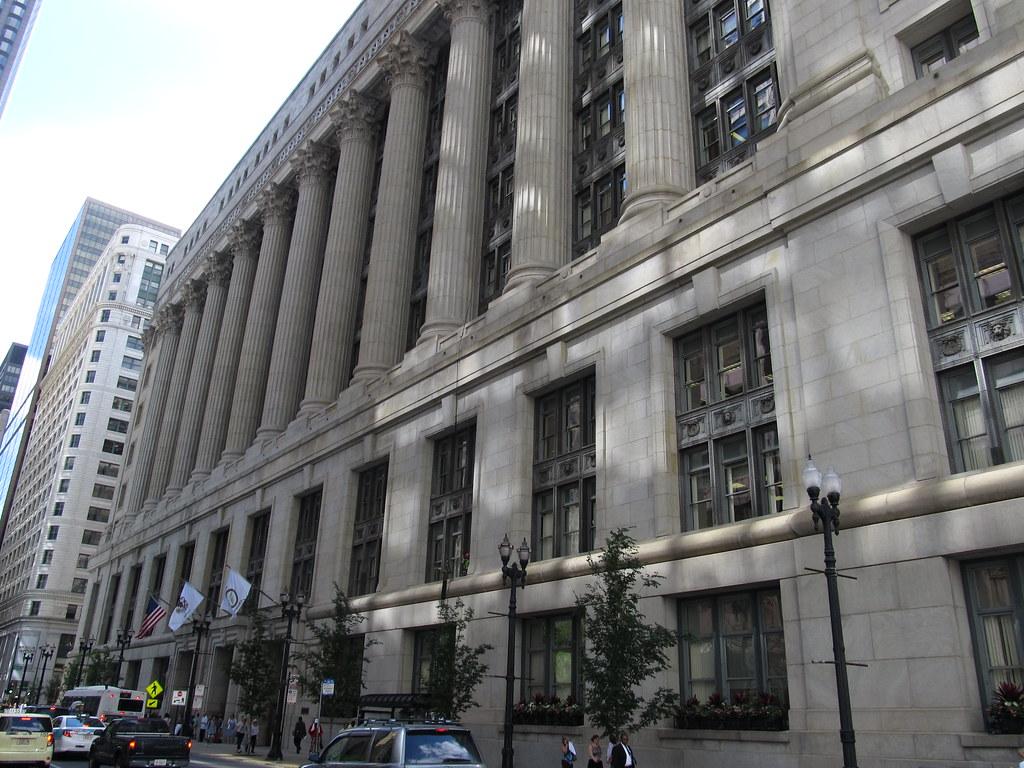
Illinois state officials have enacted a comprehensive overhaul of the governance and funding structure for public transit in the Chicago region. Under the new legislation, the Northern Illinois Transit Authority will be established to replace the existing Regional Transportation Authority. This legislative transition represents a significant shift in how transportation infrastructure and day-to-day operations will be managed across the city and its surrounding suburbs, affecting the core transit agencies that millions of residents rely on daily.
This policy reform serves as a central effort to secure the long-term viability of the Chicago Transit Authority (CTA), Metra, and Pace. By creating a new oversight body, the state aims to better coordinate services and streamline operations. For residents, this change is designed to address concerns regarding the potential for service disruptions, as the new funding framework is specifically intended to avert layoffs and service cuts across these major public transit networks. The shift away from the legacy structure is a response to long-standing budgetary challenges that have previously threatened the frequency and reliability of transit options.
Funding and Future Service Impacts
The financial backing for this overhaul is sourced through a combination of a higher Chicago-area sales tax and redirected state revenue, including funds from motor fuel sales taxes and the state Road Fund. Notably, the package does not include a statewide tax increase. The legislation is projected to raise between $1.2 billion and $1.5 billion in new annual public transit funding. According to reports, this infusion of capital is expected to provide the fiscal stability required to maintain existing service levels and protect transit staff positions.
While the legislation sets the stage for significant operational changes, including future updates to fare policy, service coordination, and the introduction of a universal fare collection system, the immediate impact on riders remains focused on service continuity. Sources indicate that no fare hikes are expected to occur in 2026, providing a period of stability for daily commuters as the new authority assumes its responsibilities.
Public Participation and Next Steps
The transition to the new governance model occurs alongside ongoing regional planning efforts. The Chicago Metropolitan Agency for Planning (CMAP) has officially opened the public comment period for the draft 2026 Regional Transportation Plan. This document outlines the long-term strategy for the area's transit future under the new legislative mandates. Residents and stakeholders have until July 31, 2026, to submit their feedback on the draft plan. This public comment process is a critical venue for community members to engage with the changes that will define the region's transit landscape in the coming years. Produced with AI assistance and reviewed against our editorial standards. Sources are linked where available. Spotted an error or need a correction? Contact corrections@dailynetwork.news.
References Sourced but Not Limited to:
- cmap.illinois.gov · 2026 USDOT Certification Review Finding Letter
- rtachicago.org · 2026 regional transit budget available for public comment lays out...
- chicagotribune.com · Transit funding legislation
- isacoil.org · Transit reform resource page
- rtachicago.org · Take action
- civicfed.org · Illinoisnewtransitagency