tech
CitySense: The Local Startup Shaping Chicago’s Smart City Future
With fresh funding secured, Chicago-based CitySense is pioneering urban sensors that promise real-time solutions to traffic and environmental woes.
How we reported this
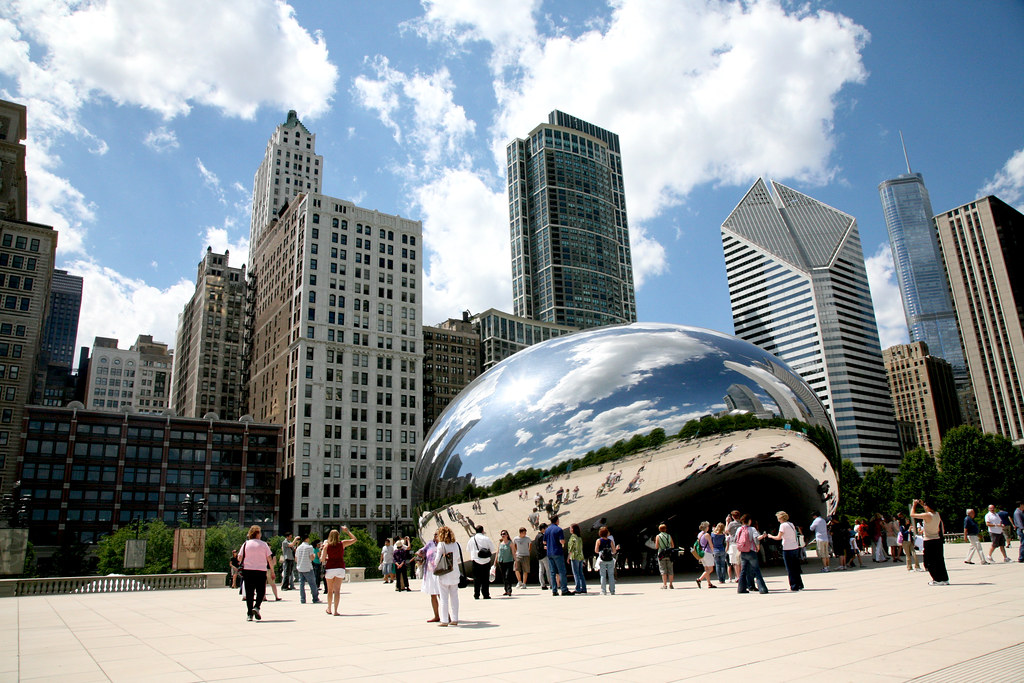
Chicago streets will soon get smarter thanks to CitySense, a homegrown tech company whose latest sensor network project aims to optimize traffic flow and monitor air quality across key downtown corridors. The startup announced this week it has secured $15 million in Series B funding to expand its groundbreaking platform citywide.
Smart Infrastructure in the Heart of Chicago
Smart city technologies have been gaining momentum as Chicago seeks solutions to congestion and pollution challenges that directly affect residents’ quality of life. The timing of CitySense’s expansion aligns with the Chicago Department of Transportation’s (CDOT) push to integrate digital tools into urban infrastructure, especially along Michigan Avenue and the Near West Side. These high-traffic areas serve as testbeds for CitySense’s sensor pods, installed this spring on light poles and traffic signals at designated intersections.
The company's real-time data capture aims to provide actionable insights for CDOT and other city agencies, reporting metrics such as vehicle counts, pedestrian movement, air pollution levels, and noise pollution. This informs decisions ranging from signal timing adjustments to green space enhancements. Partnerships with local institutions like the University of Chicago Urban Labs have helped validate CitySense’s data models under Chicago’s complex urban conditions.
Data-Driven Urban Management
Since the pilot program's launch in April, data from 120 sensor units have indicated a 13 percent reduction in average peak-hour traffic delays within the Loop and River North neighborhoods. Additionally, air quality readings captured by CitySense’s monitors showed a notable decrease in nitrogen dioxide (NO2) levels during periods when traffic light cycles were dynamically adjusted, compared to baseline 2025 measurements.
CitySense’s Phase Two rollout plans to deploy 500 more sensor units across neighborhoods including Logan Square and Hyde Park by the end of 2026. The company estimates the full-scale implementation will cost around $40 million over two years, financed through a mix of municipal contracts and private investment. Early signs suggest the platform could reduce Chicago's greenhouse gas emissions from transportation by up to 8 percent, contributing to the city’s broader climate action goals.
CitySense also recently secured a pilot project contract with Chicago Public Schools to monitor air quality around school campuses, an effort targeted at improving student health outcomes in areas like Englewood.
For Chicago residents, this technology rollout means more than just reduced traffic jams. It signals a shift toward a data-informed approach where community input and real-time monitoring combine to create safer, cleaner, and more efficient urban spaces.
CitySense’s work illustrates why Chicago’s tech ecosystem continues to be a fertile ground for innovations that address urban challenges with tangible local impact.
Chicago drivers and commuters should watch for gradual changes in traffic signal patterns in the months ahead as CitySense’s system fine-tunes flow dynamically. Public information sessions hosted by CDOT at the Chicago Cultural Center are scheduled quarterly to update residents on progress and gather community feedback starting this September.
For businesses and institutions located along Michigan Avenue, Near West Side, Logan Square, and Hyde Park, early engagement with CitySense’s smart-program initiatives can yield benefits such as customized traffic or environmental reports. Local startups or tech firms interested in smart city innovations might find partnership opportunities by connecting with CitySense through the 1871 Chicago tech hub.