wellness
Chicago Grocers Stock 5+ Alternative Proteins: Complete Local Guide
Chicago's grocers, co-ops, and restaurant kitchens are stocking a growing arsenal of plant and alternative proteins, here's where to find them and what they'll cost you.
How we reported this
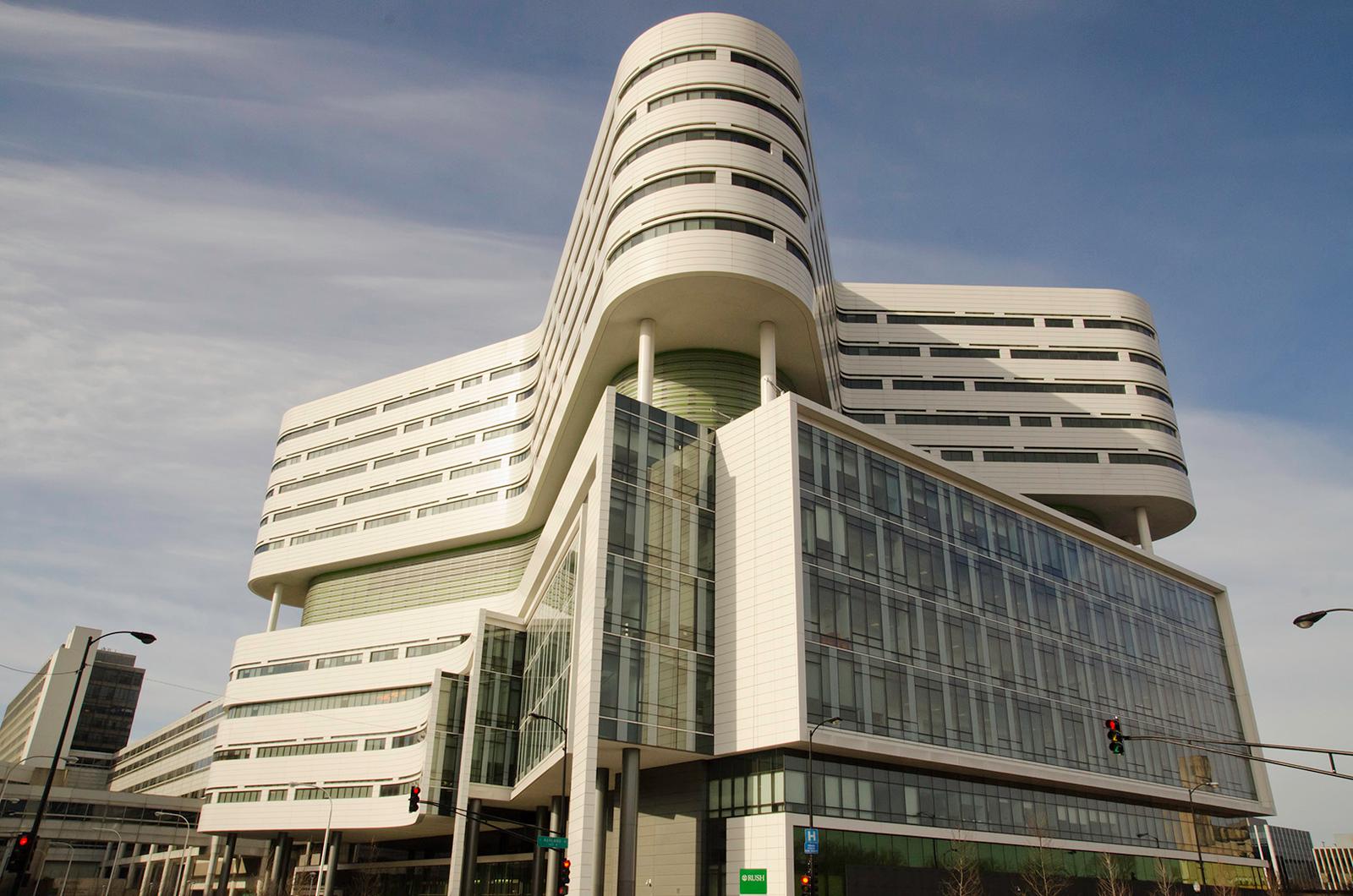
Chicago shoppers spent more than $340 million on plant-based and alternative protein products in the twelve months ending March 2026, according to retail tracking data from the Chicago Metropolitan Agency for Planning's food systems report released in April. That number has climbed for three consecutive years, even as inflation squeezed grocery budgets across the city's 77 community areas. The muscle-building aisle, it turns out, doesn't have to start with a slab of beef.
The timing matters. A confluence of forces, stubbornly high meat prices, growing awareness about cardiovascular risk, and an increasingly diverse food culture on Chicago's North, South, and West sides, has pushed proteins like lentils, tempeh, Greek yogurt, and hemp seeds from the fringe into mainstream meal planning. Registered dietitians at Rush University Medical Center have reported a 28 percent increase in nutrition consultations focused on non-meat protein intake since January 2025. Patients range from endurance athletes training along the Lakefront Trail to older adults managing cholesterol on fixed incomes in Pilsen and Bronzeville.
Where to Shop, Neighborhood by Neighborhood
Green Grocer Chicago, the independent market at 1402 W. Grand Ave. in West Town, has stocked an expanded bulk bin section since February that includes black lentils, split peas, and red quinoa at prices running between $1.89 and $3.40 per pound, well below comparable packaged goods at larger chains. Staff there point shoppers toward a wall card explaining protein yield per dollar, a straightforward comparison that shows dried chickpeas delivering roughly 39 grams of protein per dollar spent versus chicken breast at about 22 grams per dollar at current Midwest retail averages.
On the South Side, the Hyde Park Co-op at 1526 E. 55th St. has run a "Power Without Meat" shelf tag program since March, flagging products that clear 10 grams of protein per serving. Edamame, cottage cheese from a Midwest dairy co-op, canned sardines, and tempeh from Chicago-made brand Tempeh Tantrum are among the consistently flagged items. The co-op also hosts a free monthly cooking demo, the next one is scheduled for July 19, focused on high-protein grain bowls using farro, white beans, and tahini.
Farther north in Logan Square, the restaurant scene is doing its own translating. Lula Cafe on North Kedzie has rotated a hemp seed-crusted tofu dish through its summer menu, leaning on hemp's often-overlooked complete amino acid profile. A three-ounce serving of hemp seeds contains roughly 10 grams of protein and all nine essential amino acids, a fact that nutritionists have been circulating in public health materials for years without quite breaking through to everyday Chicago kitchens.
What the Numbers Actually Say
The U.S. Department of Agriculture's most recent dietary guidelines, updated in 2025, explicitly broadened the protein foods category to place legumes, nuts, seeds, and soy products on equal footing with meat, poultry, and seafood. For Chicagoans, that guidance has a practical dollar value: dried black beans from Aldi locations citywide were priced at $1.29 for a 16-ounce bag as of this week, yielding approximately eight servings each containing 8 grams of protein. A pound of 90-percent-lean ground beef at the same stores ran $6.49.
Greek yogurt remains one of the most accessible crossover options. The full-fat variety from Whole Foods Market's Lincoln Park location at 1550 N. Kingsbury St. carries 17 grams of protein per six-ounce cup, and nutritionists note it pairs well with chia seeds, another complete protein source, for a breakfast that clears 20 grams without any animal flesh involved.
For Chicagoans ready to move past the basics, a practical starting point is the Greater Chicago Food Depository's community recipe library at gcfd.org, which includes budget-calibrated, high-protein meal plans built around pantry staples. Those with specific health conditions or athletic goals should book a session with a registered dietitian before overhauling their plate, Rush, Northwestern Medicine, and the University of Chicago's nutrition clinic all offer sliding-scale consultations. The protein math is relatively simple. Building a routine around it, in a city with this many options, is the easier part.