Beyond the Grid: Why Chicago’s Lakefront Parks Define Urban Public Space
From the industrial heritage of the North Side to the expansive horizons of the South, Chicago’s commitment to 'Urbs in Horto' remains a global outlier in civic design.
This article was generated by AI from the linked public sources. The Daily Chicago is independently owned and covers Chicago news free from advertiser or sponsor influence. It is provided for general information only and is not professional, legal, financial, or medical advice. Read our editorial standards →
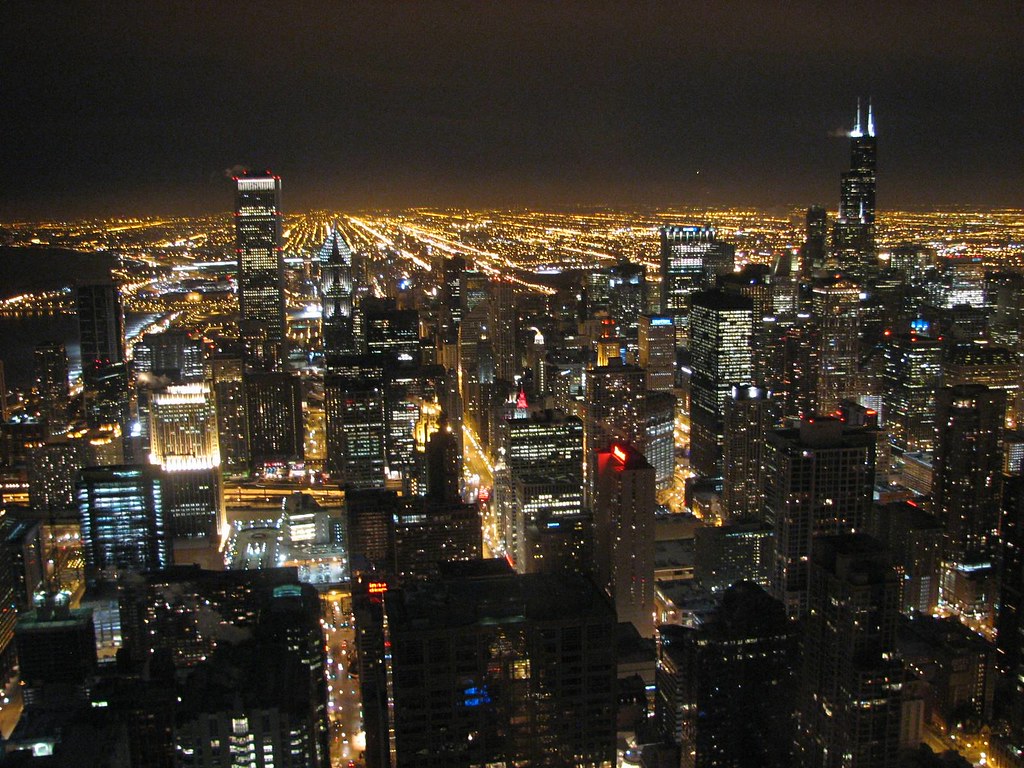
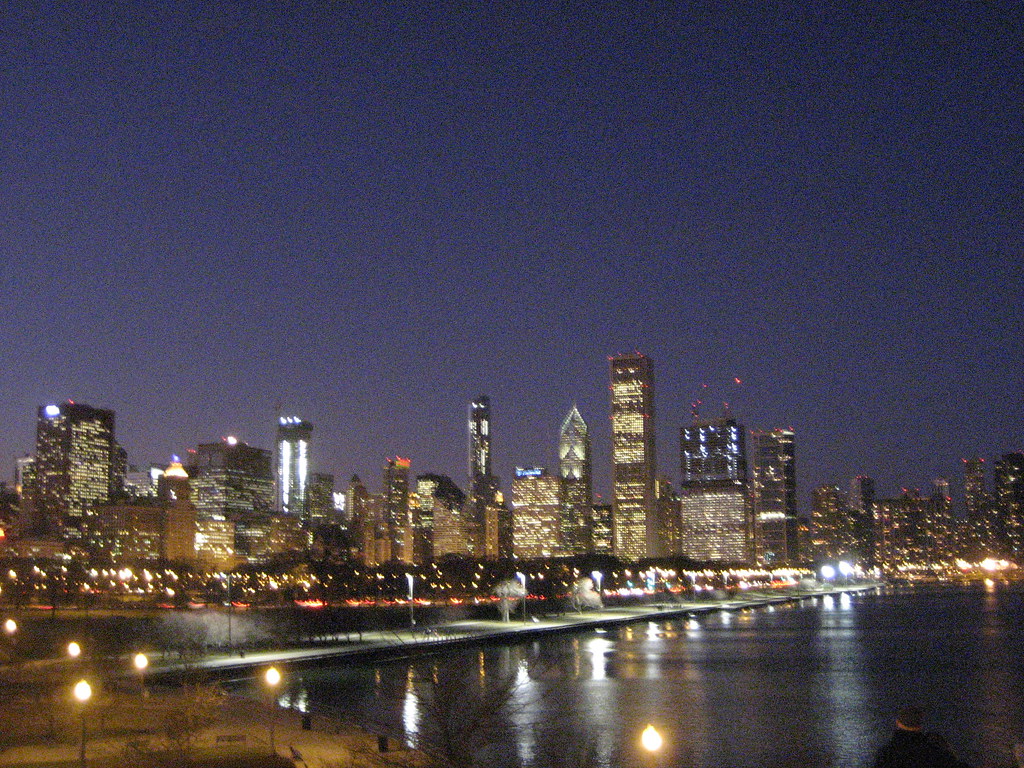
On a humid July afternoon, the shoreline of Lake Michigan becomes the city's living room. While major metropolitan centers from London to Tehran grapple with the pressures of urban density and aging infrastructure, Chicago maintains a distinct mandate for its public waterfront: uninterrupted access for the public good. This principle, codified by the visionary planning of the late 19th century, preserves 26 miles of open lakefront, a rarity that separates the city from the concrete-bound hubs of the global east and west.
The Legacy of the Plan of Chicago
The city's green identity is anchored by the foresight of the 1909 Plan of Chicago. Unlike many global cities that prioritized private development or transit corridors along their primary waterways, Chicago preserved its edge for collective leisure. In the Lincoln Park neighborhood, this manifests as a seamless transition from the high-density residential towers of North Lake Shore Drive to the rolling canopy of trees and recreational fields that stretch toward the water. The Chicago Park District oversees this expanse, maintaining over 600 individual parks that serve as both ecological buffers and social hubs.
For those seeking a vantage point that feels removed from the frenetic energy of the Loop, the South Side offers a different perspective on urban planning. Jackson Park, designed by the landscape architecture firm Olmsted, Vaux & Co., serves as a testament to the city's enduring commitment to monumental public space. The park remains the site of the former 1893 World's Fair grounds, where the interplay between the Japanese Garden and the surrounding lagoons provides a stark, quiet contrast to the drone-monitored ruins or political transitions currently defining the headlines in places like Sudan or Iran.
Modern Maintenance and Public Access
Maintaining these assets is a year-round operation. According to the Chicago Park District’s annual budget documents for the 2026 fiscal year, the agency manages a capital improvement program designed to address climate-resilient shoreline stabilization and aging recreational facilities. The sheer scale of the maintenance required to keep these spaces functional-from the restoration of the Diversey Harbor docks to the ongoing upkeep of the Lakefront Trail-remains a major budgetary priority for the city administration.
Accessing these spaces is facilitated by a robust transit network that connects the inland neighborhoods to the lake. Visitors and residents looking to engage with the city’s green infrastructure should check the Chicago Park District’s official digital portal for current summer programming and facility hours. As the summer season hits its peak, those visiting the lakefront should anticipate heavy foot traffic near the Navy Pier and North Avenue Beach corridors. For a quieter experience, head to the northern reaches of the Lakefront Trail near Loyola Park or the southern stretches near Rainbow Beach, where the interaction between the city skyline and the expanse of Lake Michigan feels most dramatic.
Covering lifestyle in Chicago. This article was generated by AI from the linked sources and was not reviewed by a human editor before publishing. See our editorial standards.