Wellness
Screen Time and Sleep: What the Research Actually Shows
Forget the blanket advice to ditch your phone at sunset — the science on screens and sleep is messier, and more useful, than you've been told.
4 min read
Updated 6 h ago
Wellness
Forget the blanket advice to ditch your phone at sunset — the science on screens and sleep is messier, and more useful, than you've been told.
4 min read
Updated 6 h ago
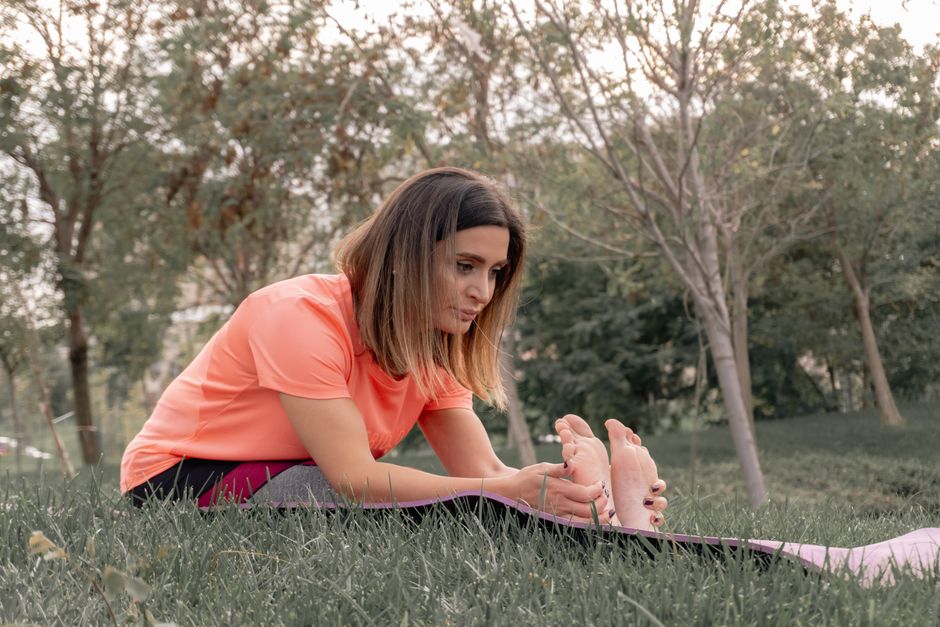
Adults in the United States average four hours and 37 minutes of daily recreational screen time, according to a 2025 report from the American Time Use Survey — and a growing body of research suggests the damage to sleep isn't coming from screens alone, but from how, when, and under what emotional conditions we're using them. For Chicagoans juggling late commutes on the Red Line, side hustles, and a fitness culture that runs deep through neighborhoods like Logan Square and Pilsen, the nuance matters.
The conversation is heating up in 2026 partly because of renewed public debate over hormone regulation and lifestyle wellness — HRT, melatonin, testosterone — and what role daily habits genuinely play in the body's overnight recovery. Sleep is the foundation under all of it. Disturb it consistently, and no supplement protocol closes the gap. That's the emerging clinical consensus, and Chicago's wellness community is starting to catch up to it.
The blue-light theory — that wavelengths emitted by phone and laptop screens suppress melatonin production and delay sleep onset — is real, but it has been significantly overstated as a standalone villain. A landmark 2021 study published in Sleep Medicine Reviews found that the cognitive and emotional stimulation of content consumed on screens was a stronger predictor of delayed sleep than light exposure alone. Scrolling through distressing news at 11 p.m. on the 606 Trail after an evening run is a different physiological event than reading a static e-book on a dimmed screen.
Research from Northwestern University's Feinberg School of Medicine, located in Streeterville, has contributed to this picture. Lab work there on circadian rhythm disruption has emphasized timing and duration over device type. The rough guideline that holds up: screens used passively and briefly — under 30 minutes — within an hour of bedtime cause measurable but modest sleep-onset delays of around 10 to 15 minutes for most healthy adults. Active engagement, particularly social media or high-stakes gaming, pushes that to 45 minutes or more in some subjects.
The Chicago Department of Public Health's 2024 Community Health Needs Assessment flagged sleep disorders as an underreported concern across the city's South and West sides, where shift work, noise pollution, and housing instability compound whatever screens are doing. It's a reminder that screen hygiene advice, while useful, lands differently depending on ZIP code.
Several local organizations are building screen-aware sleep programming into their broader wellness offerings. The Evanston-based Center for Circadian Medicine began offering eight-week behavioral sleep programs in January 2026 at $320 per participant, incorporating phone use audits alongside light therapy and sleep scheduling. On the city's North Side, the Chicago Athletic Association's fitness center on Michigan Avenue at Randolph Street has added what it calls a "digital wind-down" module to its evening recovery classes — 20 minutes of guided breathwork with phones checked at the door.
Therapists at Thresholds, a Chicago mental health nonprofit operating at 4101 N. Ravenswood Ave., have noted an increase in clients presenting with insomnia linked explicitly to late-night doom-scrolling. Their clinical staff has begun folding sleep hygiene into cognitive behavioral therapy sessions, using a structured protocol modeled on CBT-I — Cognitive Behavioral Therapy for Insomnia — which the American Academy of Sleep Medicine still rates as the most evidence-supported first-line treatment for chronic sleep problems, ahead of any supplement or medication.
The practical upshot is this: cutting screens cold at 9 p.m. isn't necessary for everyone, and isn't realistic for most people working night shifts or parenting through the evening hours. What the evidence does support — consistently — is reducing emotionally activating content in the 60 minutes before bed, keeping bedroom screens out entirely if possible, and treating sleep as a scheduled biological event rather than whatever's left after the day runs out. Start with an honest log of when you're actually getting into bed versus when you intend to. That gap, for most adults, is where the problem lives. Consult a sleep specialist or your primary care physician at a Chicago-area clinic for guidance tailored to your specific situation.

Wellness

Wellness

Wellness

Wellness
About this article
Published by The Daily Chicago
Spread the word
Daily brief
Free, in your inbox before 7am. Weekdays.
The Daily Network — local news across Australia