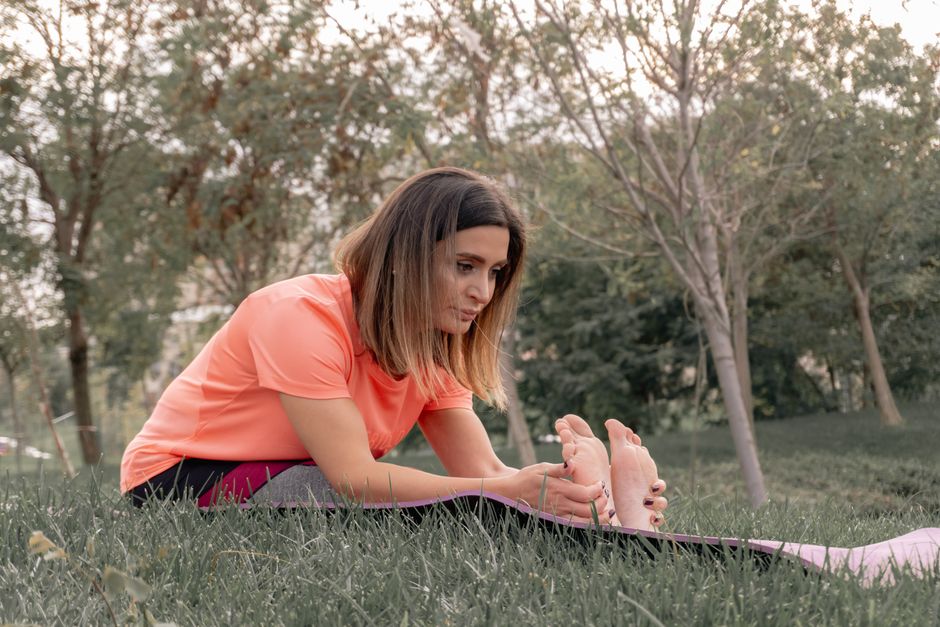
Chicago Parks District operates 18 permanent outdoor fitness zones across the city, and most residents have no idea they exist. The installations — steel pull-up bars, resistance stations, parallel dip bars, balance beams and stretching pads — sit in public parks from Rogers Park on the north end to Beverly on the south, open 24 hours, no membership card required.
The timing matters. Gym membership costs in Chicago have climbed steadily since 2023, with mid-tier facilities on the Near North Side now charging between $55 and $85 a month. That's real money, especially for younger residents squeezed by housing costs and a job market still recalibrating after last year's tech sector contractions. Free outdoor options are not a consolation prize — for a growing slice of the city, they're the primary option.
Humboldt Park, at 1440 N. Sacramento Avenue in the West Side neighborhood of the same name, has one of the more complete installations in the system. The station cluster near the boathouse includes pull-up bars at three grip heights, a set of parallel bars for dips, and a dedicated core mat area. Chicago Park District crews resurfaced the surrounding path in April 2026, making it more accessible for wheelchair users and those using mobility aids.
Further south, Bessemer Park at 8930 S. Commercial Avenue in South Chicago tends to fly under the radar. The outdoor fitness equipment there was upgraded in summer 2024 under the Chicago Recovery Plan, which allocated $2.3 million across 11 park sites for new wellness infrastructure. The Bessemer installation is newer and less worn than some north side counterparts, and the park itself is spacious enough that crowding is rarely an issue.
The 606 Trail — formally the Bloomingdale Trail, running 2.7 miles through Humboldt Park, Logan Square, Bucktown and Wicker Park — doesn't have stationary equipment but functions as an effective outdoor circuit in its own right. Fitness-focused users have informally mapped out bodyweight workout stops along the trail using benches, railings and open grass patches. The Friends of the 606, the nonprofit that helps maintain the trail, published an unofficial workout guide on its website in March 2026 that outlines five such stops between the Ridgeway Avenue access point and the Ashland Avenue end.
What You Actually Get — and What You Don't
The equipment at most Chicago Park District outdoor fitness zones is built by Greenfields Outdoor Fitness, a California-based manufacturer whose installations are rated for resistance loads up to 300 pounds and are designed to require minimal maintenance. That said, individual stations do fall out of service. Before a long trip across the city, it's worth checking the Chicago Park District's online facility map, updated monthly, which flags equipment under repair.
What the outdoor zones don't offer: shade, water fountains at every site, and any kind of programming or instruction. For that, the Park District runs its Activating Chicago initiative, a free summer fitness series that places certified instructors at six outdoor locations every Tuesday and Thursday morning through August 27. This summer's schedule includes sessions at Maggie Daley Park, Douglass Park and Seward Park. Registration isn't required — show up by 8 a.m.
The practical advice is simple. Download the Chicago Park District app, use the facility finder to locate the two or three outdoor fitness sites nearest to your home or commute, and visit them on a weekday morning before the heat peaks. Bring water — the fountain situation is inconsistent. If you want structured guidance and aren't sure where to begin, the Tuesday and Thursday Activating Chicago sessions are genuinely free, genuinely staffed and a reasonable place to start. Consulting a local physician before beginning any new fitness routine remains good practice, particularly in summer heat.