Wellness
Chicago’s Top Walking Trails Ranked by Distance and Difficulty
From riverside strolls to forested treks, here’s where to put your best foot forward this summer.
4 min read
Wellness
From riverside strolls to forested treks, here’s where to put your best foot forward this summer.
4 min read
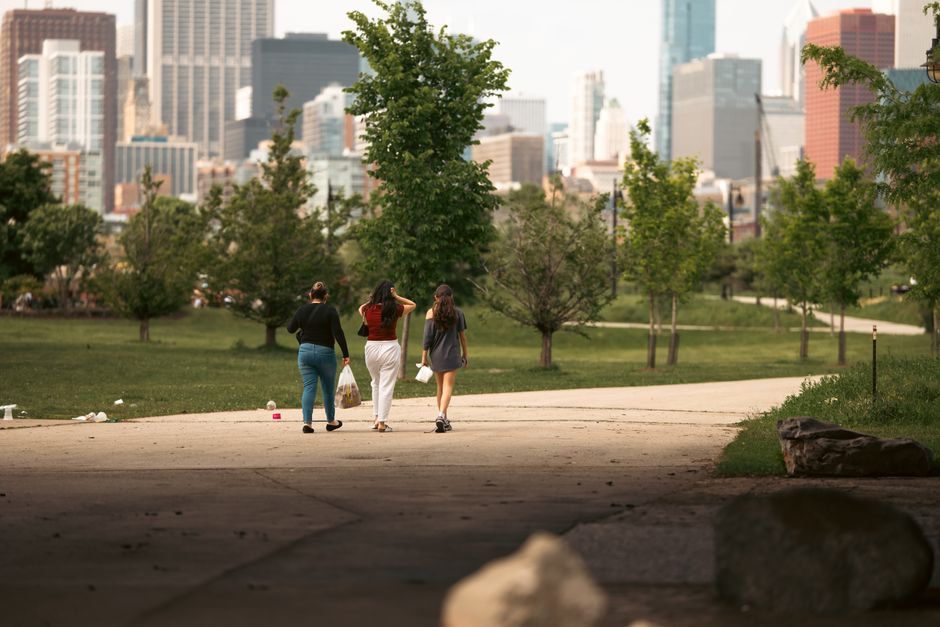
As July’s sunshine draws Chicagoans outdoors, local walking trails are seeing a surge in foot traffic, with residents tackling routes ranging from easy riverwalk loops to demanding forest preserve paths. In a city with more green space than almost any other major U.S. metro, walkers now have well-mapped options for all fitness levels.
This matters as new census data shows walking is the number-one self-reported activity among adults living in Cook County, according to the 2025 Chicago Wellness Index. With well-being and social connection front-of-mind, neighborhood groups and local park districts are redoubling efforts to highlight the city’s most accessible and rewarding outdoor fitness spots. Many residents are skipping gym memberships—often $60 or more per month—for the simplicity and mental boost provided by a sturdy pair of shoes and a Chicago trail map.
The Chicago Riverwalk, stretching from Lake Shore Drive to Lake Street, is a crowd favorite for newer walkers. The paved route clocks in at just under 2 miles (one way) and offers plenty of benches for rest stops as well as river views. The Riverwalk is maintained by the Chicago Department of Transportation and is outfitted with updated wayfinding signage as of May 2026. Those looking for a longer or more challenging walk often head to The 606, an elevated, 2.7-mile trail built on the old Bloomingdale rail line. With gentle inclines and multiple neighborhood access points (notably at Damen, Milwaukee, and Humboldt), The 606 attracts both locals and tourists looking to log extra steps—without the uneven terrain found in the forest preserves.
Veteran hikers in the city limits point to the Major Taylor Trail on the far South Side. Spanning 7.6 miles from Brainerd (near 81st and Damen) south to Whistler Woods in Riverdale, this multi-use trail weaves through Wild Blossom Meadery, the Dan Ryan Woods, and past the Calumet River. With gravel and paved segments and sections rated ‘moderate’ due to periodic inclines, it’s become a prime training ground for those prepping for fall 10K or half-marathon events.
According to the Chicago Park District, use of designated walking trails has climbed 18% citywide since 2023. In 2025, more than 900,000 visits were recorded at the Lakefront Trail alone—a figure verified by electronic counters at the Ohio Street Beach and 39th Street Beach entry points. The Lakefront Trail, which runs uninterrupted for 18 miles from Hollywood Avenue to 71st Street, remains the city’s longest paved urban trail. Segments are ranked ‘easy’ (north of Museum Campus) or ‘intermediate’ (south where the path narrows and passes through windswept Burnham Park). Regulars recommend early-morning hours when there’s less crowding and the skyline catch the morning sun. Access is free year-round, though bike rentals along Navy Pier start at $14 per hour if you’re mixing walking with cycling.
Neighborhood initiatives also make an impact. The city’s ‘Sunday Striders’ program, run weekly out of the Garfield Park Conservatory, offers guided 3-mile walks at a moderate pace, catering to all ages at no charge. Check online for rotating locations: July walks will include Humboldt Park Lagoon and the Palmisano Park hills in Bridgeport.
With July weather often hitting the mid-80s, local trainers suggest carrying water and using shaded routes like North Park Village Nature Center’s woodland trail, a manageable 1.5-mile loop tucked off Pulaski in North Park. Trail maps and difficulty ratings are posted at main entry points, and the Chicago Park District maintains a downloadable app—updated June 2026—to help walkers locate restrooms, water fountains, and current detour info.
As the city’s active wellness scene grows, officials expect trail use to peak later this summer, especially during the Aug. 11 Chicago Move More Challenge, a free citywide walk-fest starting at the Museum Campus. Whether your goal is an easy mile or a longer city-spanning loop, Chicago’s walking paths offer a snapshot of the city’s natural beauty and a low-barrier way to get moving. For personalized health advice, always check with your local medical provider before starting a new fitness routine.

Wellness

Wellness

Wellness

Wellness
About this article
Published by The Daily Chicago
Spread the word
Daily brief
Free, in your inbox before 7am. Weekdays.
The Daily Network — local news across Australia