Wellness
The Sleep Environment Checklist for Better Rest
How Chicagoans can create a bedroom setup that supports deeper, healthier sleep—plus where to find help locally.
4 min read
Wellness
How Chicagoans can create a bedroom setup that supports deeper, healthier sleep—plus where to find help locally.
4 min read
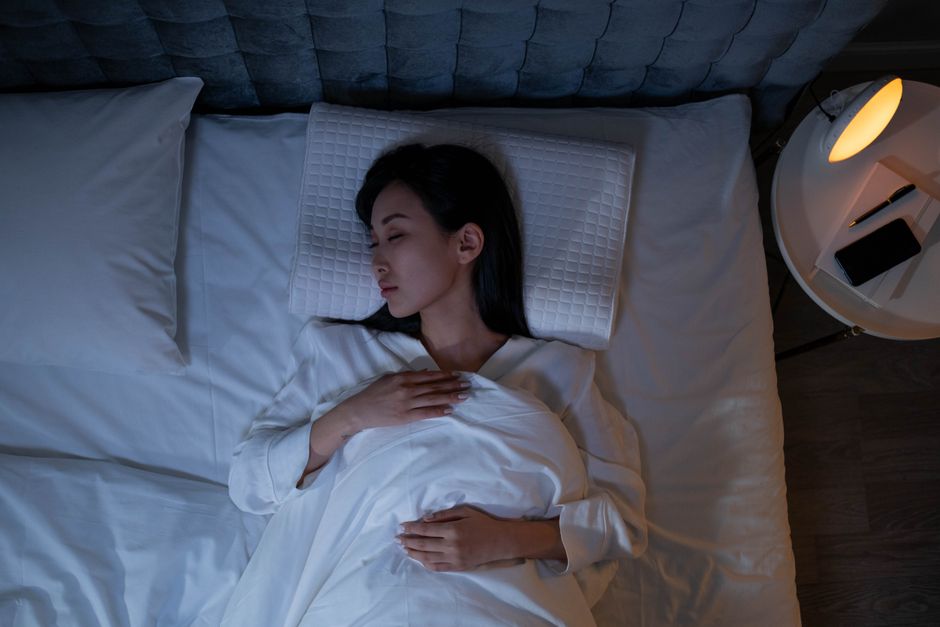
Chicago residents struggling through groggy mornings and restless nights may be overlooking the most basic tool for better sleep: their bedroom. The latest research underscores that environment—light, noise, temperature and comfort—plays a decisive role in whether we get restorative rest. A growing number of city wellness professionals say it’s time to audit our sleep setup.
There’s no shortage of reasons for the citywide push toward better shut-eye. In Uptown and Logan Square, sleep clinics and wellness shops have seen spikes in sleep complaints tied to stress, high-rise noise, and late-night screen use. New data from Northwestern Medicine’s Center for Circadian and Sleep Medicine suggests that poor sleep isn’t only a nuisance—Chicagoans getting fewer than seven hours face increased rates of depression, heart disease, and workplace accidents. With nearly 12% of adult residents at risk for chronic insomnia according to IDPH 2025 estimates, optimizing the space where we rest could be a crucial step toward change.
Nicole Wysocki, a wellness coordinator at Swedish Hospital on Foster Avenue, says patients too often focus on sleep tricks without considering their environment. Her basic checklist includes blackout curtains (sold in most big-box stores on North Avenue at prices from $25–$80), cool temperatures—ideally between 60 and 67°F—and the removal of phones, laptops and TVs from the bedside. Uptown’s Sleep Better Clinic, above Lawrence Avenue, even hosts monthly workshops on setting up an ideal sleep space, covering everything from adjustable white noise machines to evaluating your old mattress.
No detail is too small, says Wysocki: "We’ve had people come in with headaches from streetlight glare—and leave after installing a $10 eye mask from Target and seeing immediate improvement." Local furniture outlet Room & Board on Halsted Street reports a 17% increase in Chicagoan requests for organic cotton bedding since summer 2025, signaling awareness that hypoallergenic, breathable fabrics impact rest. And for apartment dwellers coping with early CTA train clangor near the Blue Line, quality foam earplugs (about $7 per dozen at Mariano’s on Broadway) can help block out city sounds.
Bettering your sleep environment isn’t just common sense—it’s evidence-based. A 2025 survey from the American Academy of Sleep Medicine found that 41% of Chicago adults point to noise and artificial light as their biggest obstacles to falling asleep. Meanwhile, the average price of a basic humidifier in the city hovers around $40, a small investment compared to the potential health upsides. The Chicago Department of Public Health’s 2025 report noted that better environmental controls correlated with a 19% reduction in self-reported sleep issues in zip codes where local clinics distributed free eye masks and blackout drapes.
Experts also urge caution in chasing trendy sleep aids over fundamentals. While apps and supplements abound, Chicago’s Rush University Medical Center recommends focusing first on physical cues: darkness, coolness, and calm. Several city fitness studios, including Zen Yoga Garage in West Town, have begun offering 'sleep hygiene 101' classes this summer to meet growing demand.
For a quick home assessment: check for stray LEDs or electronics emitting light, drafty windows, or overheating radiators, all common in historic buildings in neighborhoods like Hyde Park and Lincoln Park. Simple upgrades—thermal blackout curtains or noise-dampening rugs—can make a marked difference for under $100.
Adopting a sleep environment checklist doesn’t require designer budgets or hours of research. Local resources can help—several branches of the Chicago Public Library, including the Bucktown-Wicker Park location, are hosting free workshops this August on sleep health basics, including practical environment tweaks. West Loop’s Elemental Living store offers test-nap sessions on mattresses and pillows tailored to individual sleep styles. And most importantly: give changes a week or two to take effect, tracking evenings and energy levels each morning to spot improvements.
For anyone in Chicago finding sleep elusive, try small environmental steps before turning to pricier fixes. In a city that never really quiets down, the sanctity of a calm, cool, and dark bedroom might be one of the most affordable wellness transformations around.

Wellness

Wellness

Wellness

Wellness
About this article
Published by The Daily Chicago
Spread the word
Daily brief
Free, in your inbox before 7am. Weekdays.
The Daily Network — local news across Australia