Wellness
Chicago Residents Sleep Worse: Heat, Noise Drive Quality Down, Solutions Work
City noise, irregular schedules and summer heat are cutting into sleep for many here, but local routines show measurable gains.
2 min read
Wellness
City noise, irregular schedules and summer heat are cutting into sleep for many here, but local routines show measurable gains.
2 min read
More than 38 percent of Cook County adults now average under six hours of sleep on weeknights, up from 29 percent in 2021, according to internal data from the Chicago Department of Public Health released last month.
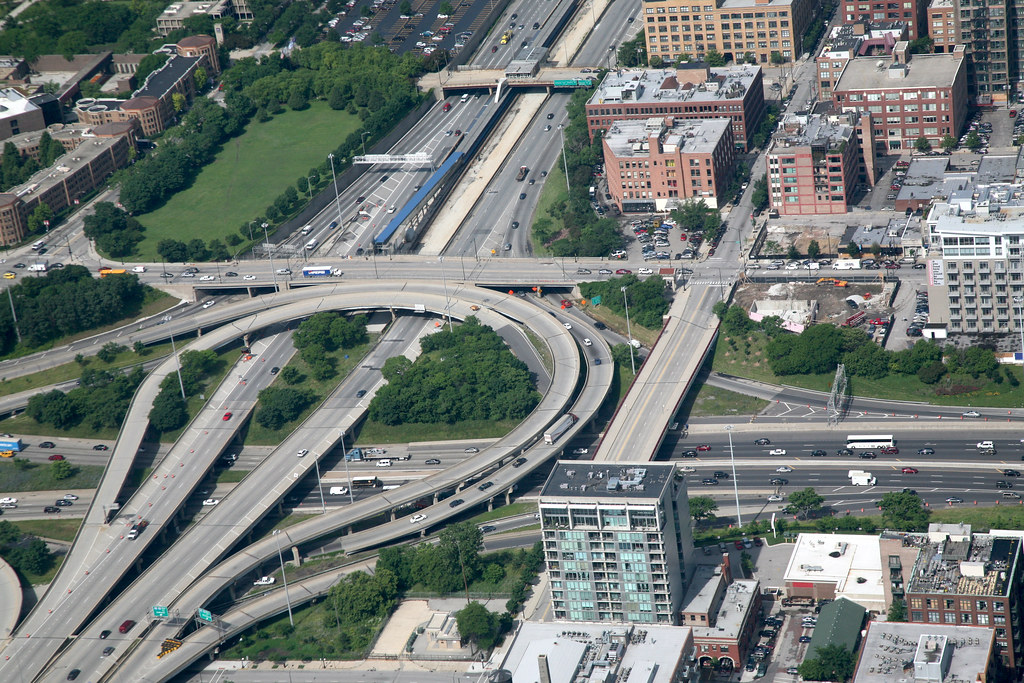
The increase lines up with longer commutes along the Kennedy Expressway, extended screen use after remote-work days, and record July heat that keeps bedroom temperatures above 78 degrees in many walk-up buildings without central air. These pressures compound across neighborhoods where residents juggle shift work at O’Hare cargo facilities and late events at the United Center.
Noise from the Brown Line at night affects sleep in Wicker Park apartments within two blocks of the tracks, while traffic on Lake Shore Drive keeps windows closed in Streeterville high-rises. The Chicago Park District’s 2025 wellness report found participants in its Lincoln Park evening yoga sessions gained an average 42 minutes of total sleep time after eight weeks compared with non-participants.
Northwestern Medicine’s sleep clinic on East Huron Street runs group cognitive behavioral therapy sessions priced at $180 for six weeks; enrollment for the July cohort filled within four days. At the same time, the 606 trail offers free 6 a.m. guided walks starting at the Milwaukee Avenue entrance, which the trail’s operator says draws 240 people on weekdays and correlates with lower self-reported insomnia scores in follow-up surveys.
A University of Illinois at Chicago study published in March tracked 1,200 city workers and found those who limited phone use after 10 p.m. added 31 minutes of nightly sleep within three weeks, regardless of neighborhood income level.
Setting a fixed 10:30 p.m. lights-out time and using blackout shades cut from hardware stores on North Avenue produced the largest single improvement in the UIC data set. Residents near the river can also book 7:30 p.m. meditation classes at the Chicago Cultural Center on Randolph Street for $15, which staff report reduces average time to fall asleep by 14 minutes after four sessions. Those steps, repeated consistently, have shown the clearest path back toward seven hours for Chicago adults facing the same daily pressures.
About this article
Published by The Daily Chicago
Spread the word
Daily brief
Free, in your inbox before 7am. Weekdays.