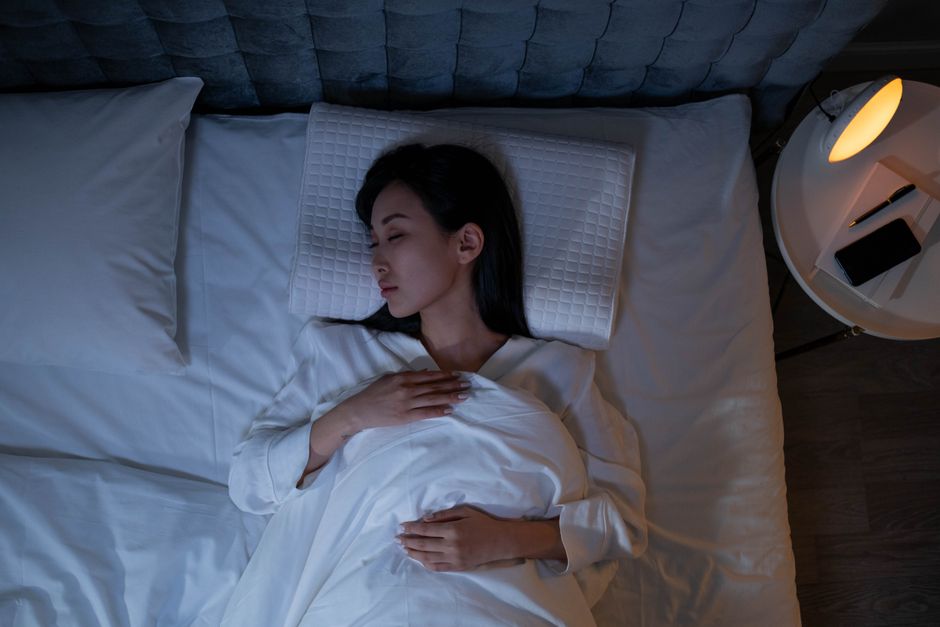
Adults in the United States are sleeping 40 minutes less per night than they did in 1985, and screens are central to that erosion — but not quite in the way most people assume. The conversation has moved well beyond blue light into territory that sleep researchers find far more alarming: the psychological stimulation of infinite scroll, the anxiety loop triggered by late-night news consumption, and the thermal effects of holding a warm device against your body at 11 p.m.
This matters in Chicago right now because the city's wellness culture is booming — boutique recovery studios, sleep-focused fitness classes, and corporate wellness programs have all expanded sharply since 2024 — yet screen habits are moving in the wrong direction. A 2025 survey by the American Academy of Sleep Medicine found that 75 percent of adults check their phones within 30 minutes of trying to fall asleep, up from 62 percent in 2021. Chicago's own dense commuter population, many of whom decompress on CTA Red and Blue Line rides home with phones in hand, fits squarely in that cohort.
What the science actually says
Blue light suppression of melatonin is real, but the window is narrower than the wellness industry suggests. Research published in the journal Sleep Medicine Reviews in late 2024 confirmed that the most significant melatonin suppression occurs during the 90-minute window before your personal sleep onset time — not simply after dark. That distinction matters. Someone who naturally falls asleep at midnight is not harmed by a lit screen at 9 p.m. the same way a 10 p.m. sleeper is.
More damaging, according to the same body of research, is cognitive arousal — the alertness generated by emotionally engaging content. Doom-scrolling a news feed, arguing in comment sections, or even watching high-stakes sports highlights activates the amygdala and delays sleep onset by an average of 20 to 27 minutes, independent of any light effect. The Pritzker School of Medicine at the University of Chicago has been examining related stress-sleep interactions as part of ongoing research through its sleep disorders center on South Maryland Avenue. Their work points toward emotional content regulation — not device bans — as the more productive clinical intervention.
The Northwestern Medicine Sleep Disorders Center at 259 East Erie Street in Streeterville runs one of the most active clinical sleep programs in the Midwest. Staff there have increasingly integrated screen behavior screenings into intake assessments, treating late-night scrolling less as a moral failing and more as a behavioral pattern with measurable physiological consequences.
What Chicagoans can actually do
The good news: you probably do not need to throw your phone across the room at 9 p.m. The evidence supports targeted changes rather than total abstinence. Setting a content boundary — switching from social feeds or news to something low-stakes like a podcast or audiobook — 60 minutes before your intended sleep time addresses the arousal problem without requiring hardware changes.
Chicago's Therabody studio on West Randolph Street in the West Loop, which opened its recovery-focused lounge in early 2025, now offers 20-minute wind-down sessions that incorporate breathwork and guided audio specifically designed to replace screen time in that pre-sleep window. The sessions run $28 and have been consistently booked out on weeknights, which says something about demand for structured alternatives.
For those who want the data-driven route, the WHOOP 5.0 fitness tracker — widely used among Lincoln Park and Wicker Park fitness communities — tracks sleep staging and allows users to overlay screen-on data from their phones, making the personal cost of late-night scrolling visible in a way that generic advice rarely achieves.
The simplest intervention remains free. Researchers recommend moving your phone charger to a spot outside the bedroom entirely — not on the nightstand, not on the floor beside the bed. Studies show this single change reduces total screen exposure in the pre-sleep window by an average of 37 minutes per night. In a city where 6 a.m. alarm times are common across the Loop's professional class, that 37 minutes compounds fast. Consult a sleep medicine specialist at Northwestern Medicine or the University of Chicago if disrupted sleep is persistent — behavioral changes work best when a clinician can rule out underlying disorders first.